Beyond Vaccines: US Parents Increasingly Decline Routine Newborn Preventive Care
A troubling pattern is unfolding in American healthcare, extending far beyond the well-documented vaccine hesitancy. Parents across the United States are now increasingly refusing other critical, routine preventive treatments for their newborn infants, raising significant concerns among pediatricians and public health officials.
The Expanding Scope of Refusal
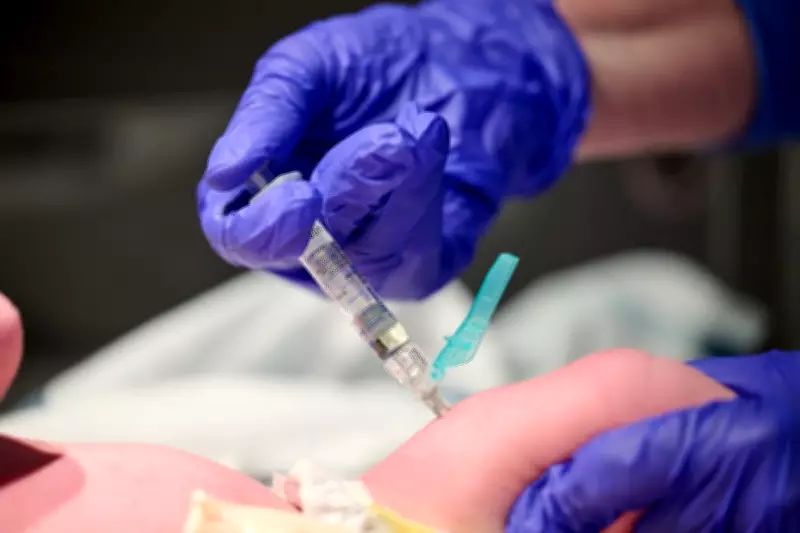
While much attention has focused on childhood immunizations, medical professionals report a parallel rise in parents declining other standard newborn interventions. These include the Vitamin K injection, administered shortly after birth to prevent potentially fatal bleeding disorders, and erythromycin eye ointment, used to prevent serious eye infections that can lead to blindness.
"We are seeing a concerning shift where skepticism is broadening from vaccines to foundational preventive care," explained a pediatrician from a major urban hospital, who requested anonymity due to the sensitive nature of the topic. "These are not new or experimental procedures. They are decades-old, evidence-based practices that save lives and prevent disability."

Root Causes and Misinformation
The reasons behind this trend are complex and multifaceted. Experts point to a potent mix of:
- Misinformation Spread Online: Social media platforms and certain online communities circulate unfounded claims about the safety and necessity of these treatments.
- Distrust in Medical Institutions: A generalized erosion of trust in healthcare systems and authorities, partly fueled by the polarized debates during the COVID-19 pandemic.
- Desire for "Natural" Birth: Some parents, seeking a minimally medicalized birth experience, mistakenly view these preventive measures as unnecessary interventions.
This phenomenon is not isolated to any single demographic or geographic region but appears to be a growing national issue, affecting hospital protocols and nurse-parent interactions in delivery rooms from coast to coast.
Potential Consequences for Infant Health
The refusal of these routine measures carries real and immediate risks. Vitamin K deficiency bleeding (VKDB) can occur in the first weeks of life, leading to brain hemorrhage and death. The condition is almost entirely preventable with the standard shot. Similarly, ophthalmia neonatorum, the infection prevented by the eye ointment, can cause permanent corneal damage.
"These are silent threats," the pediatrician emphasized. "A baby can seem perfectly healthy and then suffer a catastrophic bleed. By the time symptoms appear, it is often too late to prevent severe outcomes. The refusal is a gamble with a newborn's health based on misinformation."
Navigating the Challenge
Healthcare providers are now tasked with navigating delicate conversations with new parents. Hospitals are reinforcing education for staff on how to discuss the benefits of these treatments compassionately and effectively, often requiring multiple conversations during prenatal visits and immediately postpartum.
The situation underscores a broader challenge in public health: communicating established science in an era of widespread misinformation. As this trend moves beyond vaccines, it signals a need for renewed, targeted public education campaigns focused on the entire spectrum of essential newborn care to protect the most vulnerable patients.