Wet Hair in Cold Weather Doesn't Cause Colds: Doctors Debunk Persistent Myth
Have you ever been warned that going outside with wet hair on a chilly day will inevitably lead to catching a nasty cold? This long-standing piece of advice, often passed down through generations from grandparents and parents, turns out to be medically unfounded. According to leading physicians, the pervasive belief that wet hair in cold weather causes illness is simply a myth with no scientific basis.
The Medical Reality Behind the Myth
Dr. Swapnil Patel, vice chair of the department of medicine at Hackensack Meridian Jersey Shore University Medical Center and K. Hovnanian Children's Hospital in New Jersey, states unequivocally: "There's no evidence or literature to suggest that" going outside with wet hair in winter can cause a cold.
Dr. Parul Goyal, an associate professor of clinical medicine at Vanderbilt University in Nashville, explains that while going out with wet hair on a wintry day does decrease your body temperature and make you feel colder, it won't actually make you sick. This same principle applies to going outside without a jacket in cold weather.

Why Cold Weather Affects Nasal Symptoms
If you notice sniffles after spending time outdoors in winter—with or without wet hair—there's a physiological explanation. Dr. Patel clarifies: "Cold temperature can affect how your blood vessels constrict and dilate. Cold usually causes something called vasoconstriction, which tightens up your blood vessels."
When blood vessels loosen, such as in a warm shower or steam bath, your sinuses open up and you feel better—which is why hot showers comfort people with colds. Cold air works in the opposite way, tightening everything up. If you already have a cold but are asymptomatic, frigid weather may force your blood vessels to react and bring symptoms to the surface, but the cold weather or wet hair isn't causing the actual infection.
How Colds Actually Spread
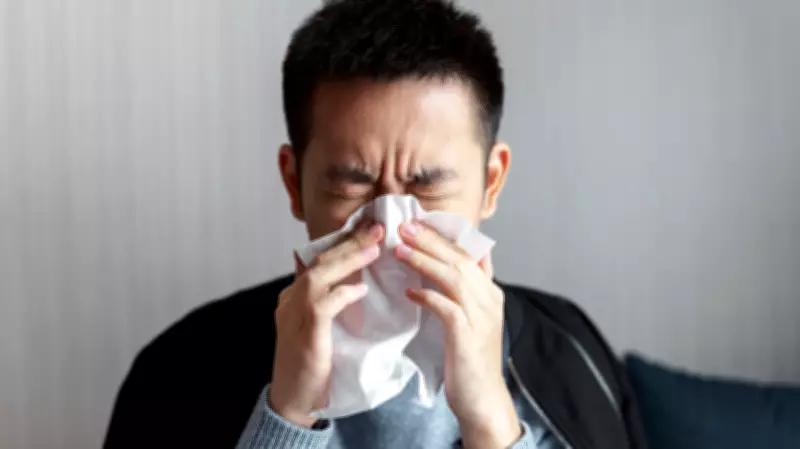
While heading outside with wet hair won't cause your cold, there are specific behaviors that genuinely increase your risk of contracting an upper respiratory virus. You may get sick if you're exposed to a virus or infected bodily fluids. Dr. Patel explains: "Usually it's contact with nasal fluids—somebody sneezes, leaves their nasal droplet somewhere, you touch that same surface." If you then touch your eyes or mouth with contaminated hands, you can end up with a cold.
Effective Prevention Strategies
Medical experts recommend several practical measures to prevent winter illnesses:
- Hand hygiene: Washing hands with warm water and soap remains crucial for preventing colds, COVID-19, flu, and norovirus.
- Protective measures: Using masks around sick people and avoiding close contact when possible.
- Isolation practices: Sick individuals should stay home; if they must go out, wearing a mask prevents droplet transmission.
- Immune support: Regular exercise strengthens the immune system to fight off viruses.
- Healthy habits: Getting sufficient sleep and maintaining a nutritious diet help keep your immune system robust.
- Avoid smoking: Smoking increases susceptibility to colds.
- Vaccination: Staying up-to-date on vaccines reduces transmission rates and illness severity. For instance, flu shot recipients typically experience milder symptoms than unvaccinated individuals.
While you may not completely avoid occasional colds, remember that your sickness results from virus transmission through contact with infected individuals or contaminated surfaces—not from wet hair on a chilly day. This winter, you can confidently dismiss this persistent myth while focusing on evidence-based prevention methods that actually work.