WHO Raises Alarm Over Toxic 'Black Rain' in Iran Following Military Strikes
The World Health Organization has issued a stark warning regarding significant health risks posed by 'black rain' in Iran, particularly in the capital city of Tehran. This environmental hazard emerged in the aftermath of recent military attacks targeting oil storage facilities during the ongoing U.S.-Israeli campaign.
Immediate Health Concerns for Tehran Residents
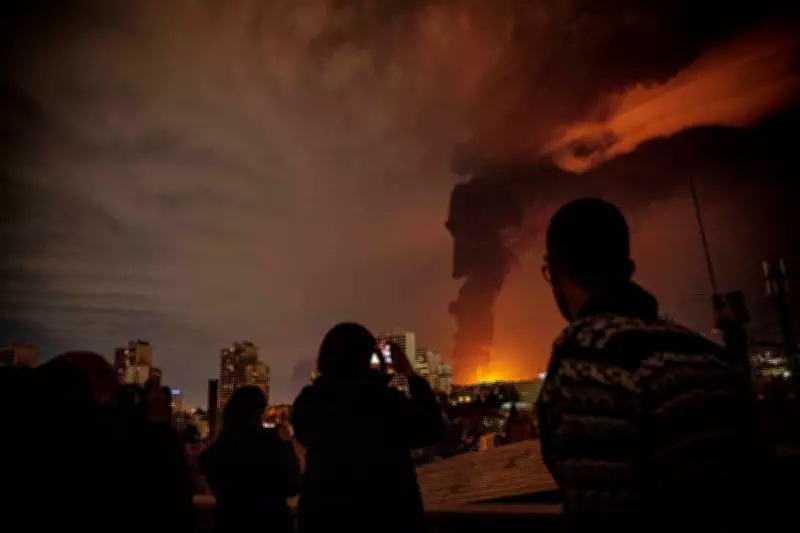
According to WHO officials, the 'black rain' contains dangerous pollutants and toxic substances released from burning oil infrastructure. Residents have reported witnessing dark precipitation falling across affected areas, with many documenting the phenomenon through photographs and videos showing plumes of smoke rising from damaged facilities.
The health organization emphasizes that exposure to this contaminated precipitation could lead to:
- Respiratory complications and breathing difficulties
- Skin irritations and dermatological conditions
- Potential long-term environmental contamination of water sources
- Increased risk for vulnerable populations including children and elderly residents
Environmental Fallout from Conflict
The attacks on Tehran's oil storage facilities have created an environmental crisis extending beyond immediate combat zones. The burning petroleum products have generated massive smoke clouds that are now interacting with atmospheric conditions to produce this hazardous precipitation.
"When critical infrastructure like oil storage facilities is targeted, the environmental consequences can be severe and far-reaching," explained a WHO environmental health specialist. "The combustion of petroleum products releases numerous toxic compounds that can contaminate precipitation and pose serious health threats to exposed populations."
Precautionary Measures Recommended
WHO has advised residents in affected areas to take immediate precautions, including:
- Avoiding direct contact with the 'black rain' and contaminated surfaces
- Using protective clothing and masks when outdoors
- Securing alternative water sources until contamination levels can be assessed
- Seeking medical attention for any symptoms of exposure
The organization is coordinating with local health authorities to monitor the situation and assess the full extent of environmental contamination. Meanwhile, the conflict continues to create additional humanitarian challenges across the region, with this environmental health emergency adding to the growing list of concerns for civilian populations caught in affected areas.