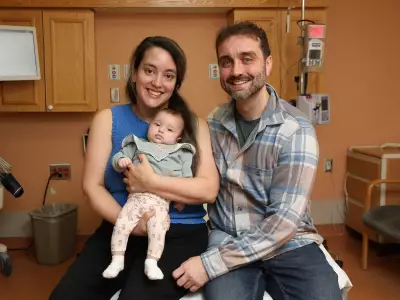
For most of his life, Kris Kinar from Saskatoon lived with an unexplained and debilitating condition that made exposure to sunlight an excruciating experience. The 53-year-old husband and father of three endured decades of severe pain whenever his skin came into contact with sunlight, forcing him to avoid daytime activities and altering his entire lifestyle.
A Lifelong Struggle with Sunlight
Kinar's symptoms began early in life, though he remained unaware of their cause for many years. "When you feel it all the time, and nobody else has any indication that there's anything wrong other than myself, it feels very awkward," Kinar explained. The invisible nature of his condition made his attempts at finding relief particularly challenging and isolating.
His condition forced significant lifestyle adjustments:

- He couldn't attend daytime sporting events
- He had to wait for overcast conditions or sunset to play golf
- He constantly sought ways to protect himself from sunlight exposure
The Unexpected Diagnosis
Kinar's diagnosis came unexpectedly in his mid-30s during a visit to a Saskatoon walk-in clinic in 2002 for an unrelated thumb injury. "I, for some reason, decided to ask if the doctor had ever heard of anyone experiencing extreme pain in their skin that had been exposed to the sun," Kinar recalled. "He didn't hesitate and said it sounded like Porphyria."
This chance inquiry led to testing that confirmed Kinar had erythropoietic protoporphyria (EPP), a rare inherited disorder that causes a buildup of chemicals resulting in severe pain and burning sensations when skin is exposed to sunlight. At the time of his diagnosis, blood tests for EPP were only available at a couple of U.S. locations, making the diagnostic process particularly difficult as samples required immediate protection from light exposure.
The Search for Treatment
While Kinar finally had an explanation for his suffering, effective treatment remained elusive. He maintained connections with both Canadian and U.S. porphyria organizations, which eventually led to a breakthrough opportunity. Last year, Kinar became part of a clinical trial at Massachusetts General Brigham, where he met Dr. Amy Yeung, a physician who also lives with EPP and understands the disease intimately.
"EPP is something that a lot of doctors don't know about and some will never be diagnosed," Dr. Yeung noted, emphasizing how Kinar's diagnosis was "completely by chance."
The Clinical Trial Breakthrough
During the trial, Dr. Yeung prescribed Kinar two Bitopertin oral inhibitor glycine transporter 1 pills daily. This medication regulates the uptake of glycine in developing red blood cells, addressing the root cause of the pain experienced by EPP patients.
Dr. Yeung explained the mechanism: "Because protoporphyrin accumulates primarily in red blood cells and circulates through small blood vessels in the skin, the injury is thought to start within the superficial blood vessels after light exposure. The sensory nerves in the skin lie very close to these blood vessels, which is likely why patients experience intense pain."
The treatment has provided Kinar with significant relief, marking a turning point in his decades-long struggle with the condition. His participation in the clinical trial not only offered personal relief but also contributes to medical understanding of this rare disorder that affects countless individuals who may remain undiagnosed or untreated.
Kinar's journey from unexplained suffering to diagnosis and finally to effective treatment highlights the importance of medical research, clinical trials, and increased awareness of rare diseases that can dramatically impact patients' quality of life.