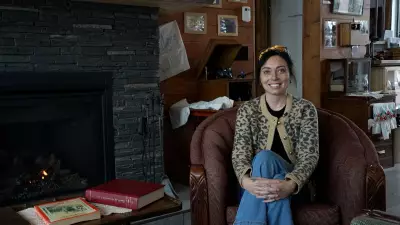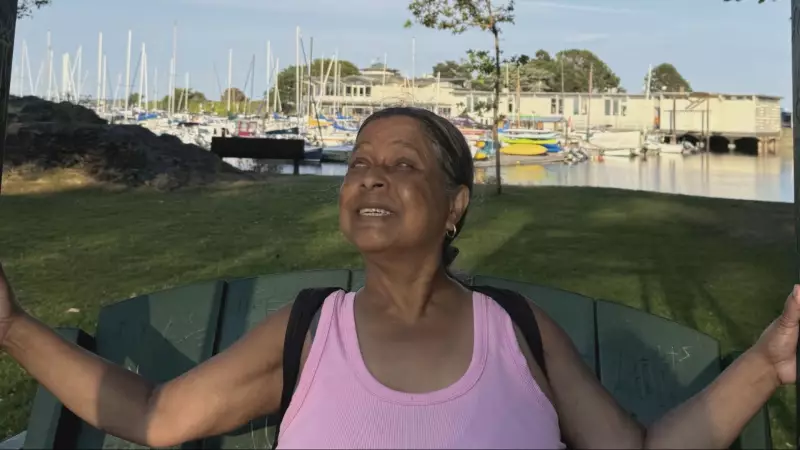
A remarkable story of human spirit is unfolding in Victoria, British Columbia, where a senior citizen is demonstrating that profound loss can be transformed into a powerful force for good. After experiencing the life-altering challenge of losing her eyesight, this woman has channeled her experience into a mission to help others, creating deep and lasting connections within her community.
From Personal Tragedy to a Broader Purpose
The journey began with a significant personal hardship: the loss of her vision. Rather than allowing this event to define her life in a negative way, the Victoria senior made a conscious decision to focus her energy outward. She has harnessed her unique understanding of the challenges faced by those with vision impairment to become a source of guidance, empathy, and practical support for others navigating similar difficulties.
Her story is a powerful testament to the concept of post-traumatic growth, where individuals not only recover from adversity but also use the experience as a catalyst for positive personal development and a renewed sense of purpose. In this case, that purpose is firmly rooted in community and compassion.

Building Bonds Through Shared Experience
The core of her new mission lies in connection. By openly sharing her own experiences and the strategies she has developed to adapt, she provides invaluable insight and emotional support to peers. This has fostered a network of mutual aid and understanding, proving that shared challenges can build the strongest bonds.
Her actions highlight a critical, often overlooked aspect of health and wellness: the role of social connection and peer support in navigating disability and aging. The relationships she has cultivated are described as those that "last a lifetime," moving beyond casual acquaintance to deep, meaningful fellowship.
A Lesson in Resilience for the Wider Community
This narrative from Victoria serves as an inspirational model for the entire province and beyond. It underscores that age and physical limitation do not define one's capacity to contribute meaningfully to society. Her proactive approach—turning her "pain into purpose"—challenges stereotypes about seniors and people with disabilities, repositioning them as active, valuable agents of community strength.
The story, reported by Adam Sawatsky, is more than a local interest piece; it is a case study in resilience. It shows how personal adversity, when met with kindness and a willingness to reach out, can ripple outward, creating positive change that benefits many. In a world often focused on individual achievement, this senior's choice to build community offers a profound and necessary lesson.