The Role of Death Doulas in Modern Society
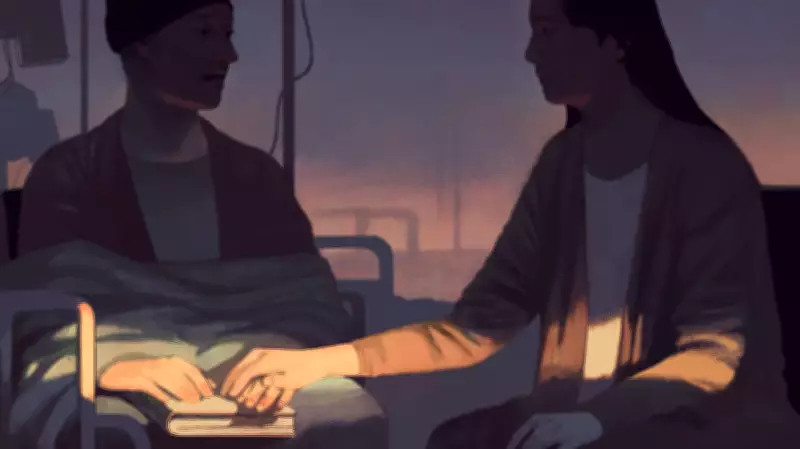
In a recent revelation, actress Nicole Kidman announced her intention to train as a death doula following the loss of her mother. This highlights a growing awareness of end-of-life doulas, professionals who offer non-medical support during life's final transition. While birth doulas are widely recognized for assisting with childbirth, death doulas perform a parallel role, focusing on companionship, comfort, and guidance for those facing terminal illness or death.
According to the International End-of-Life Doula Association (INELDA), doulas provide emotional, spiritual, and practical care, helping individuals and families navigate the complexities of dying. HuffPost recently interviewed several end-of-life doulas to explore their work and insights.
Normalizing Grief and Providing Stability
Garrett Ellis, an experienced death doula, compares his role to a labor and delivery companion, aiming to facilitate a graceful and peaceful death. "Most individuals need to be assured that their responses to their grief are normal," Ellis explains. "Grief can manifest as anger, resentment, or depression, and people desire to be seen and heard during these emotions."

Ellis emphasizes that in a death-phobic culture, many feel their grief is unnatural or should end quickly. He focuses on normalizing emotions and offering what he calls "presence ministry"—a stable, detached perspective for those losing control due to illness or loss. His own childhood trauma, including witnessing his mother's violent death, shaped his ability to support others through grief.
"Death is messy," Ellis admits, recalling difficult experiences like caring for COVID-19 victims during the pandemic. "A good death is personal; some clients prefer solitude, and as a doula, you must respect individual desires without agenda." He advises families to embrace their roles as sons or daughters rather than care managers, allowing themselves to grieve fully with support from doulas or others.
Planning and Living Fully Until the End
Dawn Betts, who entered end-of-life care through hospice massage, stresses the importance of advance planning. "We really need to encourage people to have an end-of-life plan," she says. Betts shares stories from her family, noting how her father lived two years after a terminal diagnosis, traveling to see the Grand Canyon. "Hospice work isn't about the end of life; it's about living the life you have left," she explains.
Betts observes that people often wait until crisis moments to discuss death, leading to missed opportunities for meaningful conversations. She advocates for normalizing death discussions earlier, as seen in her own family's experience. "Everyone dies differently," she notes, describing how some individuals hang on for specific reasons, like waiting for a loved one.
Celebrating Life and Finding Meaning
Karen Bellone views her role as walking alongside individuals in their final journey, holding space for emotional and spiritual concerns. "I contend that we should bring celebration to the end of life because it is about the beauty of that life," she says. Bellone helps clients create legacies, such as videos or collages, and address regrets about love or unfulfilled paths.
She shares touching anecdotes, like bonding with a client over shared Pepsi-Cola rituals or supporting a Buddhist mother saying goodbye to her children. "Education and death awareness are key," Bellone asserts. "If we start conversations early, we can move away from fear and denial, seeing death as the culmination of a life well-lived."
Bellone compares the labor of death to that of birth, suggesting both involve struggle but lead to transformation. By embracing this perspective, individuals can find peace and meaning in their final moments.