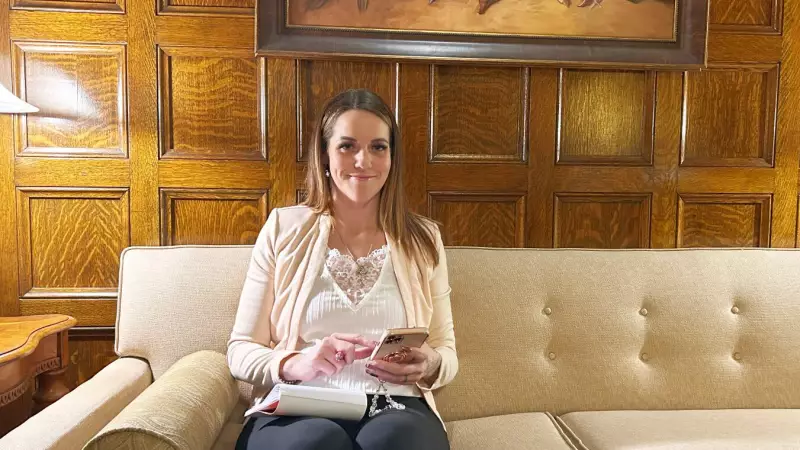
In Northern Ontario, a growing movement of compassionate professionals is changing the conversation around mortality. Known as death doulas, these individuals provide non-medical, holistic support to people as they approach the end of life, offering guidance, comfort, and practical assistance to both the dying and their loved ones.
A Personal Calling to Serve
For Ashley Labelle, the path to becoming a death doula was not a random career choice but a profound personal realization. She describes reaching a specific point in her life where she understood that this unique form of service was her true vocation. Unlike medical professionals who focus on clinical care, death doulas like Labelle fill the emotional, spiritual, and logistical gaps, ensuring no one has to face their final journey alone or unprepared.
The Role of a Death Doula
The work of a death doula is multifaceted. It can involve helping individuals articulate their end-of-life wishes, facilitating difficult conversations with family members, creating legacy projects, or simply providing a calming, non-judgmental presence. Their support often extends into the early stages of grief for surviving family and friends. This model of care emphasizes dignity, autonomy, and personalized support outside the traditional medical framework.

A Growing Need in Communities
The emergence of death doulas in regions like Northern Ontario highlights a broader societal shift. As populations age and people seek more agency over their final experiences, the demand for these services increases. Death doulas operate in homes, hospices, and hospitals, becoming a crucial part of the care continuum. Their presence helps demystify death, reducing fear and isolation during one of life's most significant transitions.
Published on January 09, 2026, this insight into Ashley Labelle's calling sheds light on an essential, yet often overlooked, facet of community health and well-being. The work of death doulas represents a return to community-centered, compassionate care for the dying, affirming that every person's final journey deserves respect and dedicated support.