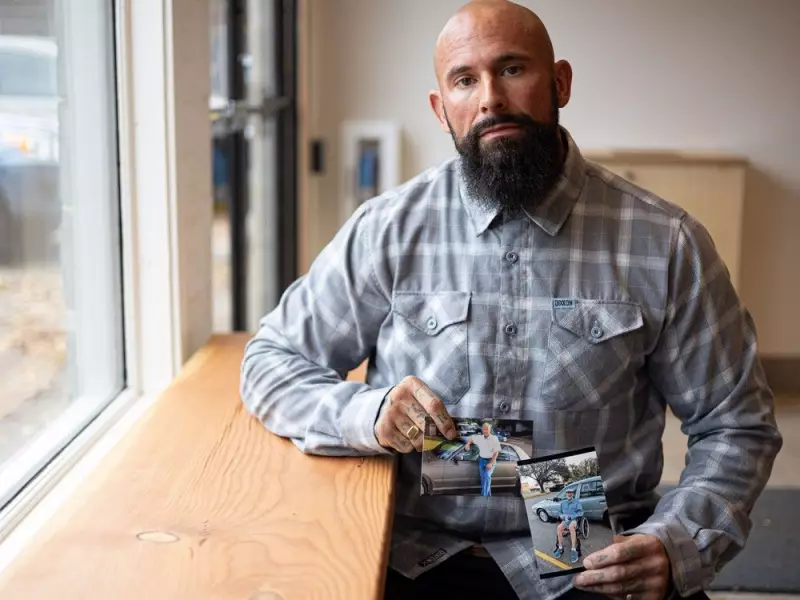
'There Was Really No Option': A Family's Dilemma
Jon Guenter reached his breaking point a year and a half ago. After three years of intensifying caregiving for his father Harry, who has advanced dementia, Guenter made the difficult decision to take his 83-year-old father to the hospital. He described himself as being at his "wits' end" with the overwhelming demands of the caregiving routine.
The Hospital Stay and Medication Concerns
Harry's experience reflects a harsh reality for many families in Saskatoon navigating dementia progression while waiting for a long-term care bed. He spent months in a hospital environment not designed for dementia patients, facing loud noises, a lack of routine, and the confusion of being tethered to a bed by an IV.
After hospital staff found Harry to be difficult and strong during daily care, a doctor met with the Guenter family. The medical advice was to start Harry on several drugs, including the antidepressant Sertraline (Zoloft) and the antipsychotic Quetiapine.

Critically, a psychiatric evaluation did not provide a diagnosis of psychosis or depression. Despite this, the family felt pressured to consent to the medication. "There was really no option. This was their method of containing a person," Guenter stated, revealing the lack of alternatives presented to them.
Before the drugs were administered, Guenter arrived for an early morning visit to find his father strapped to his hospital bed. Five months later, Harry was finally placed in a long-term care home in Saskatoon. It was only a few months ago that he was successfully weaned off the prescription medications, a process Guenter described as a "long process of getting him off. It took months of effort."
A Widespread Problem in Canada's Healthcare System
Experts confirm that Harry Guenter's story is not an isolated case in today's strained healthcare system. National and provincial data suggest this is a systemic issue.
Roslyn Compton, director of the national non-profit BetterLTC and a nursing professor at the University of Saskatchewan who studies aging in place, explains the root of the problem. "It's not based on evidence, it's based on trying to fit the older adult into a system that isn't designed for them, isn't staffed for them, doesn't have capacity to care for them at that level that they need," she said.
Researchers warn that antipsychotics are frequently overused to sedate behaviors associated with dementia that may not require pharmaceutical intervention. The risks of such drug use without a psychosis diagnosis are significant, including increased potential for falls, fractures, stroke, and even death among older adults in long-term care facilities.