The concept of retirement is being redefined by a growing number of seniors who choose to remain in the workforce, driven by a desire for purpose and social connection rather than financial necessity. This phenomenon, often called 'unretirement,' is reshaping societal expectations of aging and contributing positively to the economy.
The Greyforce: A New Approach to Work
Dr. Parminder Raina, a researcher specializing in aging at McMaster University, emphasizes that loneliness is a significant health risk for older adults. 'Loneliness is deadly,' says Raina, who is in his 60s and continues to work, mentoring younger colleagues. For many seniors, work provides a sense of purpose and community that retirement often lacks.
The traditional idea of retiring at 65, popularized by campaigns like London Life's 'Freedom 55,' is fading. Alf Goodall, a former senior vice president of marketing at London Life, helped evolve the campaign to reflect changing attitudes. 'They wanted to refresh the idea that Freedom 55 was about having confidence that the future was brighter, and that we could have the flexibility to design our retirement in the way we wanted it to be,' Goodall explains.

Redefining Retirement for Baby Boomers
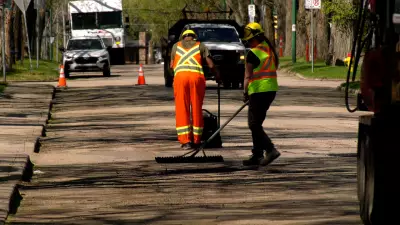
Baby boomers, born between 1946 and 1965, have consistently challenged societal norms, and retirement is no exception. Instead of pursuing a life of leisure, many are opting for part-time work, entrepreneurship, or careers in entirely new fields. Goodall himself, now 62, runs a landscaping contracting business after being 'retired' from his corporate job. 'I wanted to be outside, and I wanted to work with my hands,' he says. 'It's the most fulfilling, satisfying time of my life right now.'
This shift is not just about personal fulfillment; it also has economic benefits. Older workers bring experience, reliability, and a strong work ethic, helping to address labor shortages in various sectors. Moreover, staying active and engaged can improve physical and mental health, reducing healthcare costs.
The Benefits of Unretirement
Unretirement offers numerous advantages for individuals and society:
- Purpose and Social Connection: Work provides a sense of purpose and regular social interaction, combating loneliness and isolation.
- Financial Flexibility: Many seniors continue to earn income, which can supplement pensions and savings, providing greater financial security.
- Knowledge Transfer: Experienced workers can mentor younger colleagues, ensuring valuable skills and knowledge are passed down.
- Economic Contribution: Older workers boost productivity and fill critical roles, supporting economic growth.
Challenges and Considerations
Despite the benefits, unretirement is not without challenges. Some seniors face age discrimination, health issues, or the need for flexible work arrangements. Employers must adapt by offering part-time roles, remote work options, and inclusive workplace cultures.
Goodall's story exemplifies the new retirement. After leaving the insurance industry, he pursued his passion for landscaping. 'As long as I have good health and can make a meaningful contribution, I will be here,' he says. His wife Lynne also followed her dream to become an interior designer. Together, they balance work with time for family and hobbies.
The Future of Retirement
The trend toward unretirement is likely to grow as people live longer, healthier lives. Society must embrace this shift, recognizing that older adults have much to offer. By redefining retirement, we can create a more inclusive and dynamic workforce that benefits everyone.