In a move underscoring a long-standing infrastructural gender gap, Japan's Prime Minister Sanae Takaichi has publicly aligned herself with female legislators campaigning for more restrooms for women in the country's parliament building. The initiative highlights a practical yet symbolic barrier faced by women in the traditionally male-dominated sphere of Japanese politics.
A Practical Challenge in the Halls of Power
The campaign, led by female lawmakers, points to a tangible shortage of facilities in the National Diet Building in Tokyo. While the exact ratio was not detailed in the initial report, the issue is part of a broader, global conversation about the design of public and governmental spaces historically built for and by men. The push for more toilets is not merely about convenience but about equitable access and the normalization of women's presence in all levels of governance.
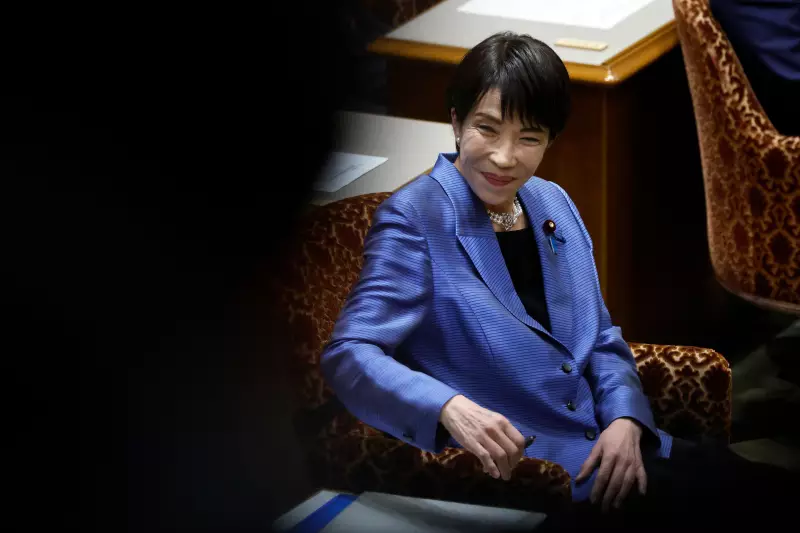
Prime Minister Sanae Takaichi's participation, confirmed in early January 2026, lends significant weight to the effort. Her involvement signals recognition from the highest level of government that such basic infrastructural equity is a legitimate political concern. The prime minister was pictured participating in the discussions during a party leaders' debate in the upper house in November 2025, foreshadowing her formal support for the initiative.

Symbolism and Substance in Gender Equity
This fight for facilities transcends the physical need. It serves as a potent metaphor for the systemic changes required to make political institutions truly inclusive. For many advocates, the lack of adequate restrooms is a daily reminder of the institutional hurdles that have discouraged women's full participation in political life for decades.
The Japanese parliament, like many older government buildings worldwide, was constructed at a time when female lawmakers were a rarity. Updating this infrastructure is now seen as a necessary step to reflect and encourage the growing, albeit still slow, diversification of Japan's political landscape. The prime minister's stance aligns with gradual societal shifts and international norms promoting gender-sensitive policy and design.
Global Context and Local Action
While the news focuses on Japan, the issue resonates in many countries, including Canada, where renovations to historic parliamentary and civic buildings often incorporate modern, equitable design principles. The Japanese case study offers a clear example of how leadership can directly address an aspect of workplace inequality that is often overlooked yet fundamentally important.
The outcome of this campaign in Japan will be closely watched by gender equity advocates and policymakers globally. It represents a concrete test of whether political will can successfully translate into physical change, making the halls of power more accessible and welcoming for everyone.