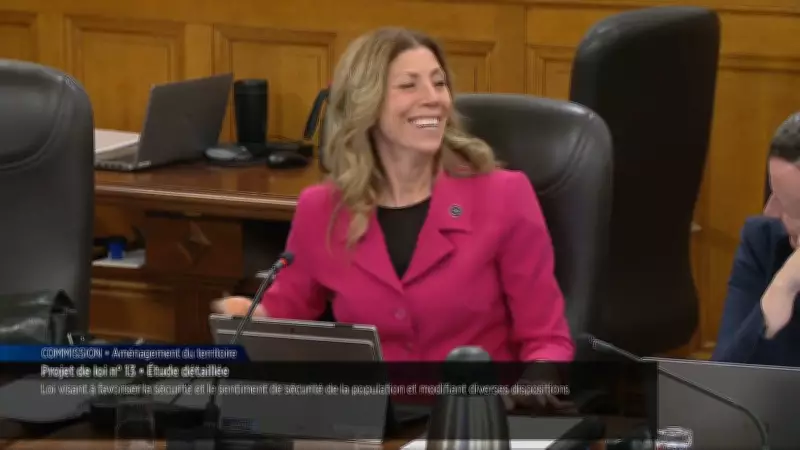
Quebec MNA Jennifer Maccarone Breaks Silence on Menopause Following Public Incident
Liberal Member of the National Assembly Jennifer Maccarone has spoken publicly about menopause after experiencing a hot flash during a committee meeting, an incident that was captured on camera. This candid discussion aims to destigmatize a natural phase of women's health that often remains shrouded in silence.
A Moment of Visibility Sparks Conversation
The hot flash occurred while Maccarone was participating in a legislative committee session, drawing attention to the physical realities many women face. Rather than shying away from the episode, she chose to address it openly, emphasizing the need for greater awareness and support for women navigating menopause.
Maccarone highlighted that menopause affects millions of women, yet it is frequently overlooked in public discourse and policy discussions. By sharing her experience, she hopes to encourage other women to speak out and seek necessary resources without shame or embarrassment.

Broader Implications for Women's Health Advocacy
This incident underscores the importance of integrating women's health issues into broader societal conversations. Menopause can involve symptoms like hot flashes, mood changes, and sleep disturbances, which can impact daily life and professional responsibilities.
Maccarone's openness serves as a reminder that health challenges should not be hidden, especially in workplaces and public spheres. Her advocacy aligns with growing movements to normalize discussions around reproductive health and aging.
Reactions and Support from the Community
Responses to Maccarone's statements have been largely supportive, with many praising her bravery in addressing a topic often considered private. Health experts and women's rights advocates have echoed her call for more education and accessible healthcare services related to menopause.
- Increased awareness can lead to better workplace accommodations for women experiencing menopausal symptoms.
- Public figures sharing personal stories help reduce stigma and promote inclusivity.
- Policy initiatives may emerge to support women's health across different life stages.
As conversations around menopause gain momentum, Maccarone's experience highlights the power of visibility in driving social change. Her willingness to speak out not only personalizes a common issue but also champions a more compassionate and informed approach to women's health in Quebec and beyond.