Canadian Auto Production Declines in 2025 Amid Tariff Pressures and Trade Uncertainty
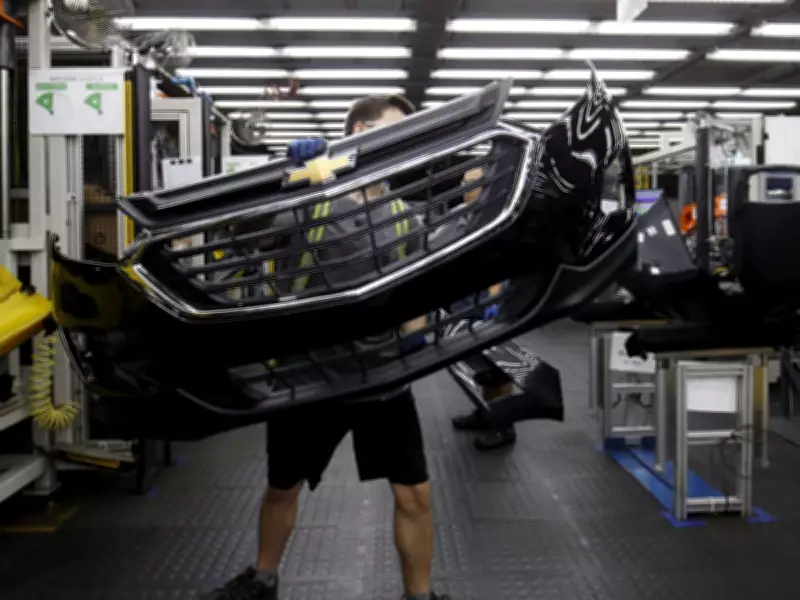
Canadian auto production experienced a significant downturn in 2025, marking the second consecutive year of decline. According to data from DesRosiers Automotive Consultants Inc., production fell to 1.2 million vehicles, representing a seven per cent decrease from the previous year. This drop underscores the mounting challenges facing the automotive sector, including trade barriers and economic shifts.
Key Factors Behind the Decline
Industry executives have pinpointed several critical factors contributing to the reduction in auto output. A primary driver is the 25 per cent tariffs imposed by the United States in March of last year, which have disrupted cross-border trade and created logistical hurdles for manufacturers. Additionally, the ongoing transition to electric vehicles has introduced uncertainty, complicating investment and production planning for automakers.
Brian Kingston, president of the Canadian Vehicle Manufacturers' Association, emphasized the precarious nature of the current situation. "This is a pivotal year, and the next few months are really going to dictate what our sector could look like," he stated. The association represents U.S.-based automakers operating in Canada, highlighting the interconnectedness of North American trade.

Impact of the Canada-U.S.-Mexico Agreement Review
The upcoming review of the Canada-U.S.-Mexico Agreement (CUSMA) adds another layer of complexity to the automotive landscape. U.S. President Donald Trump must signal by July whether the United States intends to withdraw from the agreement, a possibility he has hinted at in the past. This decision could have profound implications for Canadian auto production, as vehicles compliant with CUSMA are exempt from the U.S. tariffs, though not all have been certified for exemption.
Kingston noted that the uncertainty surrounding trade negotiations is stifling investment. "You can't make a major investment in Canada without clarity on the trade situation and the tariffs," he explained. Currently, at least three U.S.-owned assembly plants in Canada are idle, with their future operations hinging on the outcome of these discussions.
Production Breakdown by Automaker
The production figures reveal a stark contrast between U.S.-based and Japanese automakers in Canada. Among the U.S. companies, Stellantis NV produced 161,000 vehicles, accounting for approximately 13 per cent of the total output. General Motors Co. followed with 136,000 vehicles, while Ford Motor Co., which is retooling its sole assembly plant and expects to resume production later this year, produced only 249 vehicles.
In contrast, Japanese automakers dominated the production landscape. Toyota Motor Corp. led with 537,518 vehicles, and Honda Motor Co. Ltd. contributed 400,585 vehicles. Together, these two companies accounted for 76 per cent of all vehicles produced in Canada in 2025.
Long-Term Trends and Sector Outlook
David Adams, president of the Global Automakers of Canada, which represents Honda, Toyota, and other international brands, attributed the decline primarily to the U.S. tariffs. "We knew it was going to be lower just because of the challenges to get vehicles across the border into the U.S.," he remarked.
This recent drop continues a broader trend of declining production in Canada over the past decade. From 2016 to 2019, Canadian automakers consistently produced around or more than two million vehicles annually. However, output plummeted below 1.5 million vehicles in 2020 due to pandemic-related disruptions, and the 2025 figures indicate that recovery has been hampered by ongoing trade and economic pressures.
As the automotive sector navigates these challenges, the coming months will be crucial. The resolution of trade negotiations and the clarity on tariffs will likely determine whether Canadian auto production can rebound or face further declines in the years ahead.