Canadian Auto Industry Warns Chinese EV Deal Jeopardizes U.S. Trade Talks
The Canadian Vehicle Manufacturers' Association has issued a stark warning that Prime Minister Mark Carney's recent agreement to allow Chinese electric vehicles into Canada with reduced tariffs could significantly complicate upcoming trade negotiations with the United States. According to industry representatives, this decision creates additional challenges in already delicate discussions with Canada's southern neighbor.
Tariff Reduction Creates Diplomatic Tensions
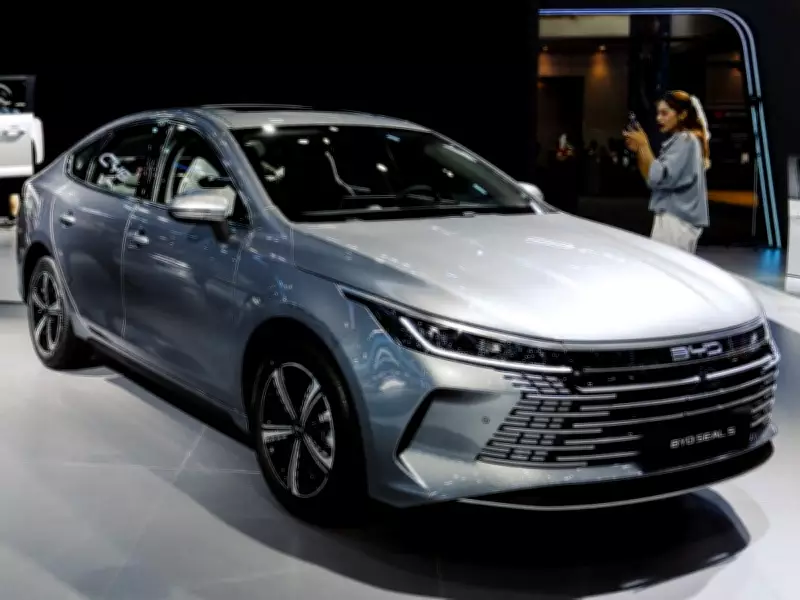
Brian Kingston, CEO of the Canadian Vehicle Manufacturers' Association, expressed concern that the government's decision last month to replace the 100% tariff on Chinese electric vehicles with a 6.1% most-favoured-nation rate "further complicates" trade talks scheduled for later this year. The association represents Canadian auto plants operated by Detroit-based giants General Motors, Stellantis, and Ford.
The agreement, which saw China lift high tariffs on Canadian agricultural products including canola in exchange for allowing up to 49,000 Chinese-made EVs to enter Canada annually, has already drawn criticism from U.S. President Donald Trump. The American leader has threatened to impose 100% tariffs on Canadian goods if Canada pursues more comprehensive trade negotiations with China.

Contrasting Approaches with Mexico
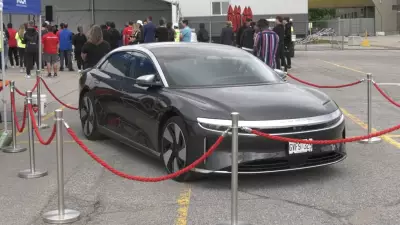
Kingston highlighted that Mexico has made more substantial progress in trade discussions with the United States after taking the opposite approach to Chinese vehicles. "The Mexicans are advancing the discussions faster with the Americans," he stated during remarks at the Canadian International Auto Show in Toronto. "They've taken the opposite approach. They did allow China in, but now they realize that was a mistake and they put their tariffs up on Chinese vehicles."
Mexico has implemented tariffs as high as 50% on Chinese cars and other goods, creating a more favorable position in their negotiations with the United States. This contrast underscores the potential diplomatic challenges Canada now faces.
Questioning Manufacturing Realities
While the federal government aims to diversify trade by attracting Chinese manufacturers to establish operations in Canada for building and exporting EVs globally, Kingston described this strategy as "highly unrealistic." He pointed out that Canada already has a manufacturing sector producing an excessive number of vehicles, making profitability challenging in the current market conditions.
"We hope they understand just how tough the conditions are to make a profit here and this is not the global south where you dump product," Kingston said regarding Chinese manufacturers. "This is a place where if you want to be a partner and be a part of it, then you're going to have to grind it out like everybody else."
Optimism Amid Challenges
Despite the current tensions, Kingston expressed optimism that Canada will eventually reach a trade agreement with the United States that would either lower or eliminate tariffs on the auto industry. He emphasized the fundamental importance of the U.S. relationship to Canada's economic interests.
"There's no such thing as diversifying away from America," Kingston asserted. "So we will get an agreement and there will be an industry that continues to be integrated." The auto executive's comments reflect the delicate balance Canada must maintain between pursuing new trade opportunities with China while preserving its crucial economic relationship with the United States.