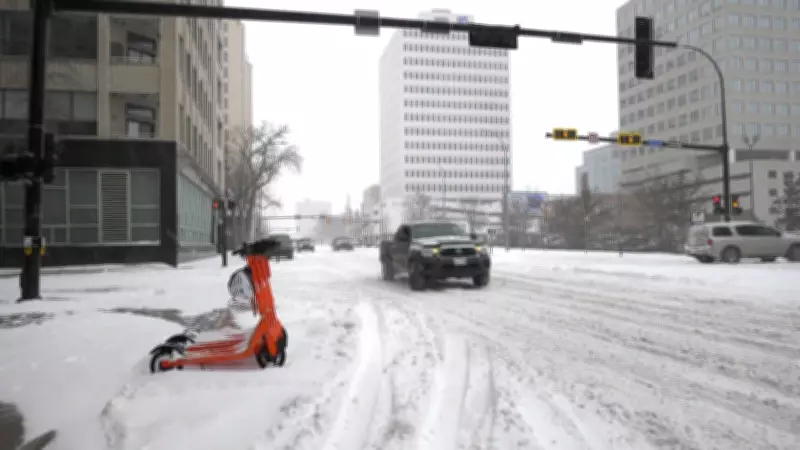
As spring attempts to establish its presence across Saskatchewan, many Regina motorists are contemplating the seasonal ritual of swapping out their winter tires for all-season or summer alternatives. However, automotive experts and weather analysts are urging caution, recommending that drivers hold off on this change for the immediate future due to lingering winter conditions and unpredictable late-season weather patterns.
The Persistent Grip of Winter in Spring
Despite the calendar indicating mid-April, Regina and surrounding areas have experienced significant snowfall and sub-zero temperatures well into the spring months. This unseasonable weather creates hazardous driving conditions, particularly on roads that may appear clear but harbor patches of ice or slush. Winter tires, designed with specialized rubber compounds and tread patterns, provide superior traction, braking, and handling in cold temperatures—typically below 7 degrees Celsius—and on snowy or icy surfaces.
Safety Risks of Premature Tire Changes
Switching to all-season or summer tires too early can compromise vehicle safety. These tires harden in cold temperatures, reducing grip and increasing stopping distances. "It's a common misconception that once the snow melts, it's safe to switch," explains a local automotive safety consultant. "Black ice and morning frost are prevalent during spring transitions, and winter tires are crucial for maintaining control."

Regina's climate, characterized by sudden temperature drops and unexpected snowfalls even in late April, underscores the importance of this advisory. Recent weather events have demonstrated that spring can be a volatile season, with conditions shifting rapidly from mild to winter-like within hours.
Economic and Practical Considerations
Beyond safety, there are practical reasons to delay the tire swap. Premature removal of winter tires can lead to unnecessary wear if driven on warmer dry pavement, but this is outweighed by the safety benefits during cold snaps. Additionally, scheduling tire changes during peak periods can result in longer wait times and higher service fees at automotive shops.
Expert Recommendations for Regina Drivers
Automotive professionals suggest monitoring weather forecasts consistently and waiting until daytime temperatures reliably remain above 7 degrees Celsius before making the switch. They also recommend inspecting winter tires for wear and damage during this period, ensuring they are ready for storage and will be effective for the next winter season.
For those eager to transition, a gradual approach is advised: consider using winter tires for early morning commutes when temperatures are lowest, and switch to all-season tires later in the day if necessary. However, the consensus remains that erring on the side of caution is the safest strategy.
As Regina navigates the tail end of winter, drivers are reminded that tire safety is a critical component of road safety. By delaying the removal of winter tires, motorists can protect themselves, their passengers, and other road users from the hidden dangers of spring's capricious weather.