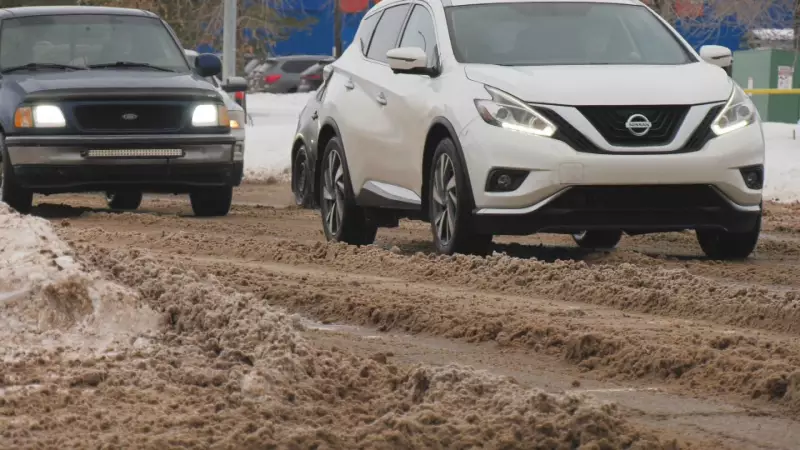
As Edmonton digs out from two significant snowfalls, a local driving expert is urging motorists to adjust their habits for safer winter travel. CTV News Edmonton's Miriam Valdes-Carletti spoke with a professional driving instructor to compile essential advice for navigating the city's currently challenging road conditions.
Adjusting Your Driving Technique for Snow and Ice
The core message from the instructor is a fundamental shift in mindset. Drivers must slow down significantly and increase their following distance to at least four to six seconds behind the vehicle ahead. This provides crucial extra time to react if the car in front stops suddenly or slides. Abrupt movements with the steering wheel, brake, or accelerator can lead to a loss of traction, so all inputs should be smooth and gradual.
Braking techniques are particularly important on slick surfaces. The instructor emphasized using gentle, early braking and, for vehicles without anti-lock brakes (ABS), using a pumping motion to avoid locking the wheels. For those with ABS, they should apply firm, steady pressure and let the system do its work.

Vehicle Preparation and Visibility Are Key
Safe winter driving starts before you even leave your driveway. Ensuring your vehicle is properly equipped is non-negotiable. This includes installing a full set of winter tires, which provide superior grip in cold temperatures compared to all-season tires. Drivers should also completely clear all snow and ice from their vehicle—windows, mirrors, lights, and the roof—to maximize visibility and prevent hazards for other drivers.
Keeping a winter survival kit in your trunk is also a recommended safety measure. This kit should include items like a blanket, extra warm clothing, a shovel, sand or kitty litter for traction, a flashlight, and non-perishable snacks.
Planning Ahead and Knowing When to Stay Home
The driving expert advises Edmontonians to plan their routes carefully, allowing for extra travel time. It's wise to check road condition reports before departing and to stick to main roads, which are more likely to be plowed and sanded first. If conditions deteriorate severely, the safest choice is often to delay your trip or avoid driving altogether.
These tips come as the city and province continue to manage the aftermath of the recent snowstorms, which have impacted travel across the region. By adopting these defensive driving strategies, Edmonton motorists can help ensure their safety and the safety of others on the road during the winter season.