High Fuel Costs May Spark Electric Vehicle Revival in British Columbia
As gasoline prices continue to hover above $2 per litre in Metro Vancouver, industry leaders are predicting a potential resurgence in electric vehicle interest across British Columbia. This comes after a noticeable downturn in EV sales during 2025, creating a complex landscape for automotive manufacturers and policymakers alike.
Auto Show Showcase Amid Economic Pressures
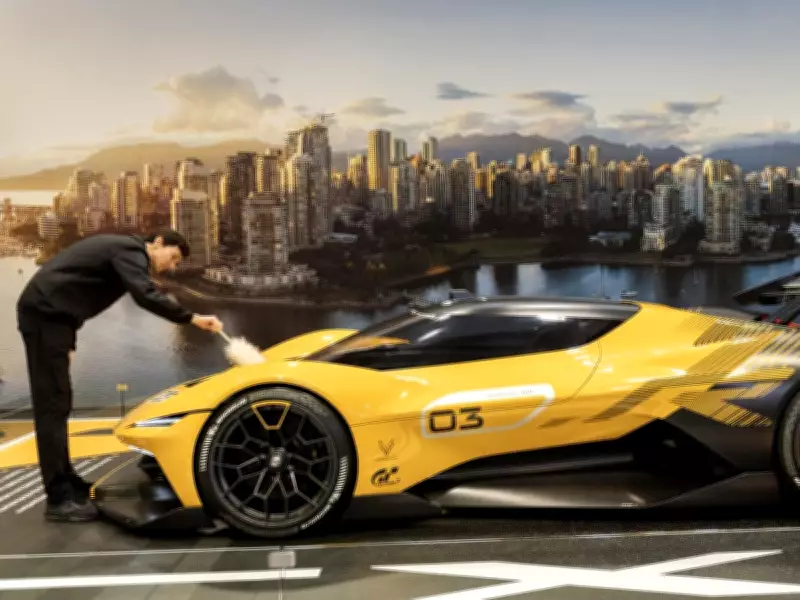
GM Canada President Jack Uppal arrived at the Vancouver International Auto Show this week, where the company's exhibit featured a striking yellow Chevrolet Corvette CX concept hypercar as its centerpiece. The timing coincides with persistent high fuel costs that Uppal believes could reignite consumer curiosity about electric alternatives.
"I think it is still a bit premature, given the global events that are transpiring, the higher prices at the gas pumps," Uppal commented during the event's opening at the Vancouver Convention Centre. "But if they're to stick over the longer period, I think we will start to see even a further increase in EVs."

Market Challenges and Government Policy Shifts
Uppal has assumed leadership of GM's Canadian operations during a particularly challenging period for the automotive sector. Multiple factors are influencing the market:
- Canada-U.S. trade tensions affecting manufacturing decisions
- Waning consumer interest in electric vehicles as government purchase incentives have diminished
- Changing regulatory landscapes at both provincial and federal levels
The New Car Dealers Association of British Columbia has documented a significant shift in market dynamics. Zero-emission vehicle registrations, which include electric vehicles, declined to just 18 percent of all new car sales in the province during 2025. This represents a substantial drop from the previous year's peak of 23 percent.
Regulatory Adjustments and Industry Advocacy
In response to changing market conditions, British Columbia has modified some interim targets within its zero-emission vehicle adoption mandate. These adjustments align with similar changes at the federal level, reflecting a broader reassessment of electric vehicle transition timelines.
Blair Qualey, CEO of the New Car Dealers Association of B.C., emphasized the need for continued regulatory flexibility. "The federal government is standing down on theirs, which is great," Qualey noted. "B.C. and Quebec still have their systems in place, so we're continuing to talk to government about trying to build some flexibility into that structure."
Qualey further explained that "the targets need to be much more attainable than they are now," adding that "I think government recognizes that." This sentiment echoes concerns raised by Ontario Premier Doug Ford, who has argued that British Columbia and Quebec should consider eliminating their mandates entirely to enhance Canada's automotive competitiveness amid U.S. tariffs and potential Chinese EV imports.
Affordable Options and Consumer Choice
Despite the challenging environment, GM remains committed to its electric vehicle strategy. Uppal highlighted Chevrolet's relaunched Bolt as "the most affordable EV with 400 km range," positioning it as an accessible option for cost-conscious consumers.
"I can't really comment on where gas prices will go," Uppal acknowledged, "but it does truly give the consumer the opportunity and a choice now to make a decision on where they want to be." This emphasis on consumer agency reflects the complex interplay between economic pressures, environmental goals, and practical transportation needs that currently defines the British Columbia automotive market.
The Vancouver International Auto Show continues through the weekend, providing consumers with firsthand exposure to the latest electric vehicle technologies alongside traditional gasoline-powered models. Industry observers will be watching closely to see if sustained high fuel prices translate into renewed electric vehicle interest in the coming months.