In a significant financial blow, General Motors (GM) has announced it will record a staggering US$6 billion in charges for its latest quarter. The massive write-down, reported on January 09, 2026, is directly tied to two major policy shifts: the scaling back of government incentives for electric vehicles and the weakening of stringent emissions standards.
The Dual Impact on Automotive Strategy
The charges reflect a recalibration of GM's ambitious electric vehicle plans in a changing regulatory landscape. For years, automakers have relied on federal incentives to make EVs more affordable for consumers and on clear emissions rules to guide long-term product development. The reduction of these supports has forced GM to reassess the economic viability of certain programs and investments, leading to the substantial financial adjustment.
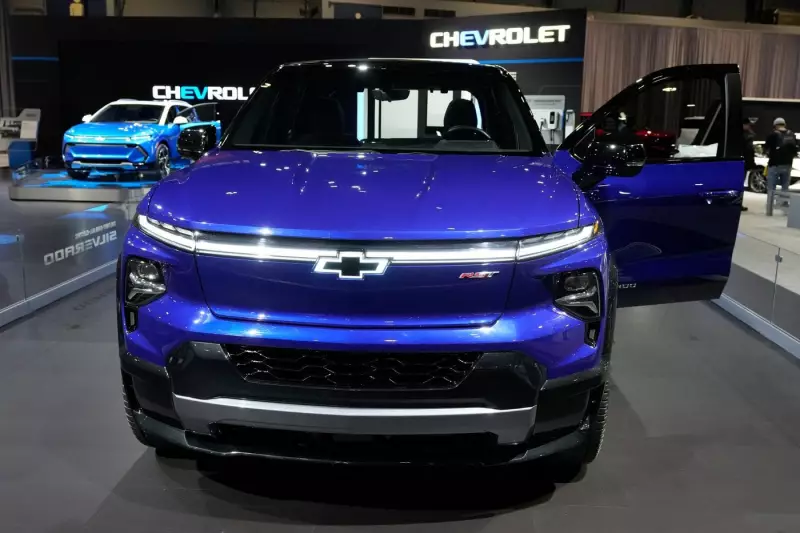
This move signals a potential slowdown or strategic pivot in the industry's aggressive transition to electrification. The development comes as models like the 2024 Chevrolet Silverado EV, showcased prominently at auto shows, were central to GM's electric future. The financial hit underscores how deeply corporate planning is intertwined with government policy, where sudden changes can have billion-dollar consequences.

Broader Implications for the Auto Sector
GM's $6 billion charge is more than an isolated corporate event; it is a bellwether for the entire automotive industry. Other major manufacturers who have bet heavily on EVs and planned around specific regulatory frameworks may face similar financial reassessments. The situation highlights the precarious balance between corporate investment, consumer adoption rates, and government policy support.
Analysts suggest that the fading of emissions standards, in particular, could alter the competitive landscape, potentially giving temporary relief to automakers with stronger portfolios of internal combustion engine vehicles while disadvantaging those who have front-loaded EV investments. The policy shifts create an environment of uncertainty, making long-term capital allocation decisions significantly more complex for industry leaders.
Looking Ahead: A New Reality for Electric Vehicles
The financial statement from GM marks a pivotal moment. It demonstrates that the road to an all-electric future may be longer and more costly than previously projected, with less government assistance along the way. The industry must now navigate a path where consumer demand, rather than regulatory pushes and subsidies, becomes the primary driver for electric vehicle adoption.
This development will likely trigger intense scrutiny from investors and policymakers alike. The key question moving forward is how automakers will adapt their strategies to remain profitable and competitive in a market where the rules of the game are being rewritten. For GM, absorbing a $6 billion charge is a painful but clear step in adjusting to this new reality.