In a decisive move marking a permanent withdrawal, South Korean automotive giant Hyundai Motor has officially severed its ties with the Russian market. The company confirmed on December 29, 2025, that it is not in a position to repurchase its former manufacturing facility in Russia, effectively closing the door on a return for the foreseeable future.
The Final Decision: A Plant Left Behind
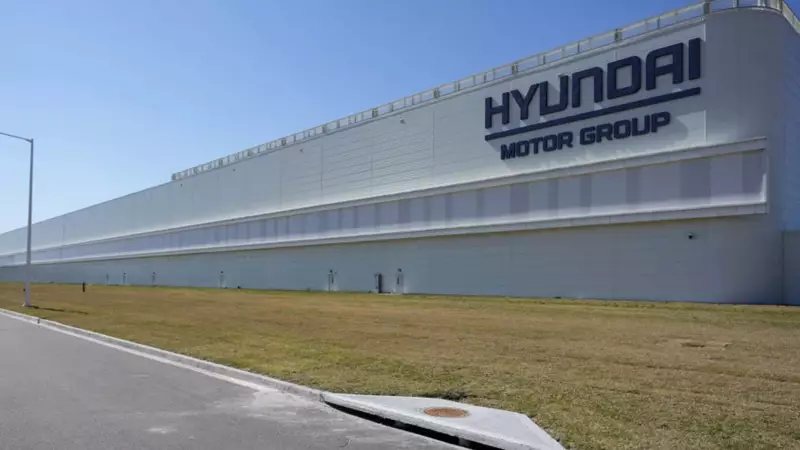
The core of Hyundai's exit revolves around its manufacturing plant in St. Petersburg. A company representative stated unequivocally that the continuing war in Ukraine has made any repurchase of the idled facility impossible. This plant, which once produced vehicles for the local market, now stands as a symbol of the broader exodus of international businesses from Russia following the 2022 invasion.
Hyundai's departure aligns it with a growing list of global automakers, including Toyota, Nissan, and Mercedes-Benz, who have sold assets or transferred operations to local entities. The move underscores the profound and lasting impact of geopolitical conflict on international supply chains and corporate strategy.

Broader Context of an Auto Industry Exodus
The automotive sector has been hit particularly hard by sanctions and logistical challenges stemming from the war. For Hyundai, the decision culminates over two years of suspended operations at the St. Petersburg site. The company had initially paused production in March 2022 and had been exploring various options for its Russian assets since.
The permanent nature of this exit signals a long-term strategic recalculation, weighing the potential future of the Russian market against the immense reputational and operational risks posed by the ongoing conflict. Industry analysts note that rebuilding a sophisticated supply chain and dealer network after such a clean break would be exceptionally difficult.
Implications and Looking Ahead
Hyundai's final withdrawal represents a significant loss of foreign investment and industrial capacity for Russia. For the automaker, it means writing off a once-promising market and absorbing the financial losses associated with the abandoned plant and operations.
This development highlights a new reality for multinational corporations: geopolitical stability is now a non-negotiable factor in long-term investment decisions. As the war persists, the likelihood of other suspended foreign businesses making their exits permanent increases, potentially reshaping Russia's economic landscape for years to come.
For Canadian observers and businesses with international ties, Hyundai's move serves as a stark case study in how protracted global conflicts force definitive corporate action, moving from temporary pauses to permanent strategic shifts.