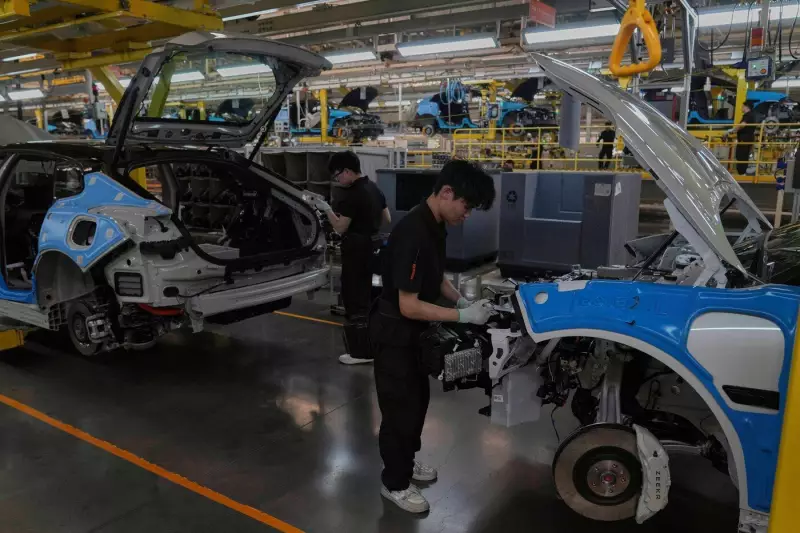
A landmark electric vehicle trade agreement between Canada and China is sparking fierce debate, with Ontario's trade minister denouncing it as a "horrific mistake" while other voices suggest the consumer may ultimately benefit. The deal, which comes into focus in early 2026, has created clear divisions on its potential impact on the domestic automotive sector.
Political Backlash and Provincial Opposition
The most vocal criticism has emerged from Ontario, a cornerstone of Canada's traditional auto manufacturing. The province's trade minister has publicly condemned the federal government's move, framing it as a dangerous pivot that could undermine local industry and jobs. This stark opposition highlights the significant political tensions surrounding international trade and industrial policy, particularly in a sector undergoing a rapid and disruptive transition to electrification.
Potential Winners: Consumers and Chinese Automakers
Despite the political friction, some market analysts point to potential upsides. A key argument is that increased competition and market access for Chinese EV manufacturers, such as Zeekr, could lead to greater consumer choice and more competitive pricing. The phrase "the consumer is winning" captures this perspective, suggesting that Canadian buyers may gain access to advanced, and potentially more affordable, electric vehicle technology. Chinese automakers, who have developed considerable expertise and scale in EV production, stand to gain a significant foothold in the North American market through this agreement.

Industry Ramifications and Unanswered Questions
The long-term consequences for Canadian and North American-based automakers remain a central concern. The deal could pressure established companies to accelerate innovation and reduce costs to compete. Simultaneously, it raises questions about supply chain dependencies, battery technology sourcing, and the future of automotive manufacturing jobs in Canada. The agreement arrives amid a global reshuffling of the auto industry, with nations vying for position in the electric future. How Canada navigates this complex partnership will likely influence its economic and industrial trajectory for years to come.
As the implementation of the deal proceeds, stakeholders from government, industry, and labor will be closely monitoring its effects on investment, production, and market dynamics in this pivotal sector.