Law enforcement officials across Canada are issuing a clear warning to motorists as winter settles in: performing high-risk stunts like "donuts" in snowy parking lots is not a harmless bit of fun. It's a dangerous activity that can lead to severe legal consequences, including hefty fines, stunt driving charges, and the immediate impoundment of your vehicle.
What Constitutes Stunt Driving in Winter Conditions?
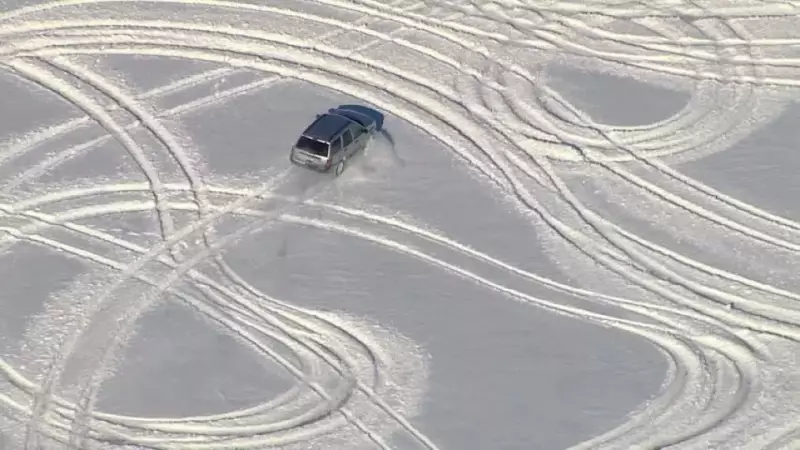
The warning specifically targets the act of intentionally causing a vehicle to spin or skid in a circle, often in an empty, snow-covered parking lot. While some may view this as a seasonal tradition, police emphasize that it falls under the umbrella of stunt driving or dangerous driving under provincial highway traffic acts. The context of a private lot does not necessarily provide immunity from prosecution, especially if the area is accessible to the public.
Authorities point out that these stunts demonstrate a deliberate loss of traction and control. An officer witnessing such an act has grounds to lay charges. The legal ramifications are designed to be significant deterrents. Penalties can include fines ranging from $2,000 to $10,000, a mandatory driver's license suspension, and the impoundment of the vehicle for a period of time, often seven days upon a first infraction.

Beyond Fines: The Real-World Dangers
The police warning goes beyond legal technicalities to highlight the tangible risks this behavior creates. A snowy parking lot may seem empty, but hidden dangers abound.
- Unseen Obstacles: Snow can conceal curbs, concrete barriers, light posts, shopping cart corrals, and other debris that can cause catastrophic damage to a vehicle and injure its occupants during a spin.
- Loss of Control: A driver attempting donuts has, by definition, surrendered control of their vehicle. This drastically increases the risk of the vehicle sliding unpredictably, potentially into a building, another vehicle that enters the lot, or even a pedestrian.
- Public Safety Threat: These activities often attract spectators, putting them at risk of being struck by the vehicle or debris. The behavior also normalizes dangerous driving habits among young or inexperienced drivers.
"What seems like a bit of fun on a slick surface can turn tragic in an instant," a police representative noted. "There is no controlled environment for this. You are risking your life, your passengers' lives, and the safety of anyone nearby."
A Call for Responsible Winter Driving
The core message from law enforcement is one of responsibility. Winter driving already presents enough challenges with reduced visibility, icy roads, and longer stopping distances. Deliberately engaging in activities that compromise vehicle control is seen as an unnecessary and reckless escalation.
Police are encouraging drivers to channel their enthusiasm for winter into safer, sanctioned activities. Many communities offer controlled skid pads or winter driving courses where drivers can learn vehicle handling in slippery conditions under professional supervision. This provides the thrill of mastering a slide while building crucial skills for safer everyday winter travel.
As the snow continues to fall, the reminder is clear: keep the stunts off the streets and out of the parking lots. The temporary thrill is not worth the long-term legal headache, financial cost, or potential for causing serious injury.