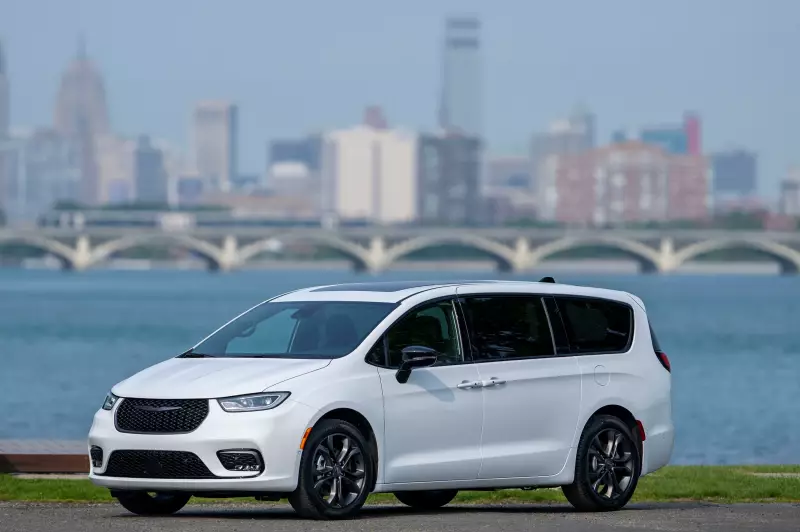
In a significant strategic shift, the global automaker Stellantis has announced it will discontinue its traditional plug-in hybrid electric vehicle (PHEV) programs in North America. The phase-out will begin with the 2026 model year, marking the end of an era for models like the popular Chrysler Pacifica Hybrid minivan.
The End of an Era for PHEVs
The decision signals a major pivot for the company behind brands such as Chrysler, Jeep, and Ram. While Stellantis has been a notable player in the plug-in hybrid market, particularly with the Pacifica, the move suggests a reallocation of resources and engineering focus. The company appears to be streamlining its electrification strategy, potentially favoring fully battery-electric vehicles (BEVs) or next-generation technologies over the current generation of plug-in hybrids.
This announcement, made public on January 10, 2026, comes as the automotive industry continues its complex transition away from internal combustion engines. Plug-in hybrids have served as a bridge technology for many consumers, offering electric-only driving for short ranges with a gasoline engine for longer trips. The Stellantis decision indicates a belief that the market and technology are ready to move beyond this transitional phase in North America.

Implications for Consumers and the Market
For Canadian drivers, this means the availability of new Stellantis plug-in hybrid models will cease after the 2025 model year. Current owners can expect continued support for service and parts, but the pipeline for new PHEV options from the automaker's stable of brands will dry up. This could influence the used car market for vehicles like the Pacifica Hybrid, potentially affecting resale values as they become the last of their kind.
The move also raises questions about the competitive landscape. Other automakers may see this as an opportunity to capture the remaining PHEV market share, or they may follow Stellantis's lead and accelerate their own plans to sunset hybrid technology in favor of full electrification. The decision underscores the high-stakes and capital-intensive nature of the industry's electric transition, forcing companies to make bold bets on future powertrains.
Looking Beyond 2026
While closing the book on traditional plug-in hybrids, Stellantis is almost certainly not abandoning electrification. The company has made substantial investments in its BEV platforms and has announced ambitious electric vehicle plans across its brand portfolio. The resources freed up from PHEV development are likely being funneled into these all-electric programs, advanced battery technology, and software-defined vehicle features.
The phase-out beginning in 2026 provides a clear timeline for dealers and suppliers to adjust. It also gives potential buyers a defined window to purchase one of the last new Stellantis plug-in hybrids if the technology suits their needs. This strategic retreat from one technology front is, in essence, a consolidation of forces for the broader electric vehicle battle ahead, reflecting the fast-paced and evolving nature of automotive innovation in the mid-2020s.