Stellantis Sells Battery Plant Stake for $100 Amid Major EV Investment Write-Down
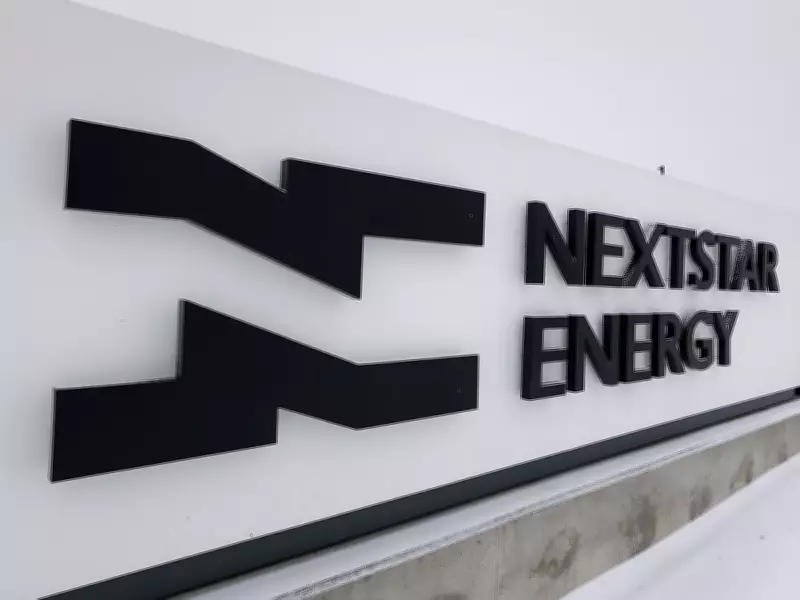
Global automaker Stellantis NV has sold its 49 per cent stake in Canada's first and only multibillion-dollar battery cell manufacturing plant to its joint venture partner for just US$100. This transaction represents an almost complete write-down on its original US$980-million investment, according to a February 6 document filed by LG Energy Solution Ltd., the South Korean buyer.
Strategic Shift in Automotive Manufacturing
That Stellantis would exit its position in the Nexstar EV battery plant in Windsor reveals something significant about the way that the auto sector is shifting. LG was already the majority partner, owning 51 per cent of the sprawling 4.23-million-square-foot battery plant in Windsor, Ontario. With this acquisition, LG becomes the sole owner through its subsidiary NextStar Energy Ltd.
LG said it would use the plant to serve a broader customer base, potentially by making electric vehicle batteries for many automakers rather than just Stellantis. The company already has established relationships with General Motors Co., Honda Motors Co. Ltd., Hyundai Motor Group and others.

"This enables us to open our doors to a wider range of automaker OEM customers while continuing to scale operations," said Brett Hillock, chief operating officer of NextStar Energy Ltd.
Market Adaptation and Production Pivot
Last year, amidst slumping EV sales in the United States and Canada—the two markets the plant was originally designed to serve—the facility pivoted to producing utility-scale batteries for energy grid storage. These batteries allow utilities to store energy produced during non-peak hours so that it can be deployed as demand rises.
LG, which is the largest lithium-ion battery producer outside China, also produces batteries for a range of products including laptops, phones, and other electronics. The company indicated it would consider serving an even broader customer base moving forward.
Despite selling its stake, Stellantis—which still manufactures electric vehicles in Canada—said it would continue to rely on the battery plant for products. This suggests the automaker will maintain a supply relationship with the facility despite no longer holding ownership.
Investment Context and Government Support
The companies stated in a press release that more than $5 billion has been invested in the facility, which currently employs about 1,300 people. LG's February 6 filing with Korea's Financial Supervisory Service revealed that the company's board committed to investing almost US$1.5 billion in the battery plant back in 2022. The filing also references a debt guarantee for an undisclosed amount by Stellantis.
The Windsor facility was slated to receive approximately $1 billion in construction support from the federal and Ontario governments, split evenly between the two levels of government. Additionally, there were commitments for operating subsidies based on production levels that could add up to tens of billions of dollars over time. It remains unclear whether any of these government agreements are affected by the ownership change.
Broader Geopolitical Implications
The transaction comes at a pivotal moment in international relations. South Korea is currently competing with Germany to win a multibillion-dollar contract to build a dozen submarines for Canada. Multiple news reports have suggested that the federal government would like to tie the submarine bid to increased industrial investment in Canada.
Last month, Canada signed a memorandum of understanding with South Korea that supports increased industrial cooperation between the two countries, including potential investment in battery manufacturing within Canadian borders. This broader context adds another layer of significance to the battery plant ownership transfer.
The sale of Stellantis's stake for a nominal $100 represents a dramatic shift in the electric vehicle landscape, reflecting both market challenges and strategic realignments within the global automotive industry.