Stellantis Exits Joint Venture in Windsor's NextStar Energy Battery Manufacturing Facility
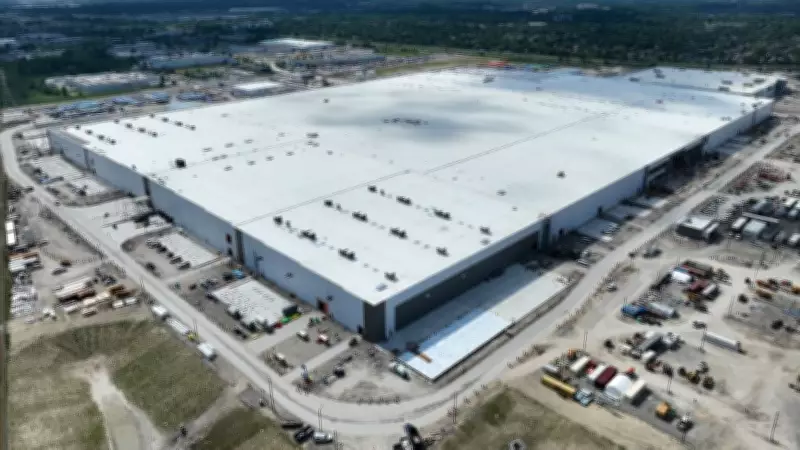
In a significant development for Ontario's automotive sector, Stellantis has announced the sale of its stake in the NextStar Energy battery plant located in Windsor. This move represents a strategic divestment by the global automotive manufacturer from the joint venture it established with its partner to produce advanced battery systems for electric vehicles.
Strategic Realignment in Automotive Manufacturing
The decision to sell its ownership interest in the Windsor-based facility comes as Stellantis continues to refine its investment strategy within the rapidly evolving electric vehicle landscape. The NextStar Energy plant, which has been a focal point for advanced battery production in the region, will now transition to full ownership by Stellantis' joint venture partner.
This transaction underscores the dynamic nature of partnerships within the automotive industry, particularly as manufacturers navigate the transition toward electrification and sustainable transportation solutions. The Windsor facility has been positioned as a key component in Canada's broader strategy to establish itself as a hub for electric vehicle technology and manufacturing excellence.

Implications for Windsor's Economic Landscape
The ownership change at the NextStar Energy plant carries potential implications for Windsor's local economy and workforce. While the specific terms of the sale remain confidential, such transitions often involve reassessments of operational strategies, employment structures, and production targets.
Windsor has historically served as a crucial center for automotive manufacturing in Canada, with numerous facilities supporting both traditional vehicle production and emerging electric vehicle technologies. The NextStar Energy plant represents one of several investments aimed at positioning the region at the forefront of the automotive industry's transformation.
Broader Context of Automotive Industry Evolution
Stellantis' divestment from the Windsor battery plant occurs against a backdrop of significant change within the global automotive sector. Manufacturers worldwide are making strategic decisions regarding their electric vehicle infrastructure, supply chain partnerships, and technological investments.
The Canadian automotive industry has been actively pursuing opportunities in electric vehicle manufacturing, with various levels of government implementing policies and incentives to attract and retain investment in this growing sector. The evolution of partnerships like the one between Stellantis and its joint venture partner reflects the ongoing recalibration occurring throughout the industry as companies position themselves for future market demands.
As the automotive landscape continues to transform, developments such as this ownership transition at the Windsor battery plant will likely influence future investment decisions, partnership structures, and technological advancements within Canada's manufacturing ecosystem.