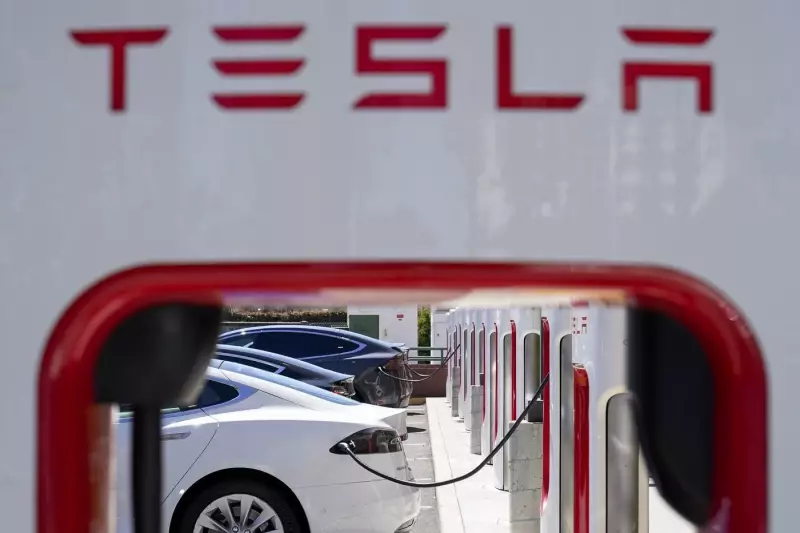
Tesla Inc. reported a larger-than-anticipated decline in vehicle deliveries for the first quarter of 2026, according to data released on January 2, 2026. The figures point to a continuing cooling of demand in the global electric vehicle market that has challenged even the sector's most prominent player.
A Significant Quarterly Shortfall
The electric automaker's delivery numbers for the period fell short of Wall Street expectations. While specific figures were not detailed in the initial report, the drop was characterized as more severe than analysts had predicted. This marks a notable shift for a company that had seen years of rapid growth, underscoring the changing dynamics in the EV sector as competition intensifies and consumer appetite in some markets softens.
Broader Context of Slowing EV Demand
The disappointing results for Tesla reflect a wider trend affecting the automotive industry. After a period of explosive growth, demand for electric vehicles has begun to plateau in several key markets. Factors contributing to this slowdown include higher interest rates, economic uncertainty, and the gradual saturation of early-adopter segments. This cooling demand presents a significant challenge for automakers worldwide who have invested billions in the transition to electric powertrains.

Reuters, which first reported the news, highlighted the drop as a key indicator of market health. The performance of Tesla, as the EV market leader, is often viewed as a bellwether for the entire industry. Its struggles suggest that even the most established brands are not immune to macroeconomic pressures and shifting consumer sentiment.
Implications for the Future
This delivery report will likely put increased pressure on Tesla's management to stimulate demand. Potential strategies could include more aggressive pricing, accelerated rollouts of new or updated models like the Cybertruck, or enhanced marketing efforts. The company's response in the coming quarters will be closely watched by investors and industry rivals alike.
For the broader automotive sector, Tesla's results serve as a cautionary tale. They emphasize that the path to an all-electric future may be slower and more volatile than previously projected. Automakers may need to adjust their production forecasts and investment timelines to account for a less predictable demand curve.
The news comes at the start of a new year, setting a sober tone for the EV industry in 2026. How Tesla and its competitors navigate this period of recalibration will define the competitive landscape for years to come.