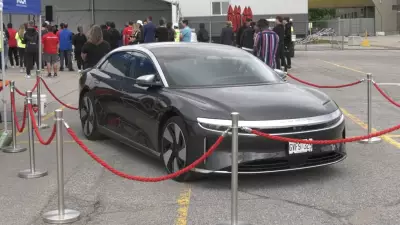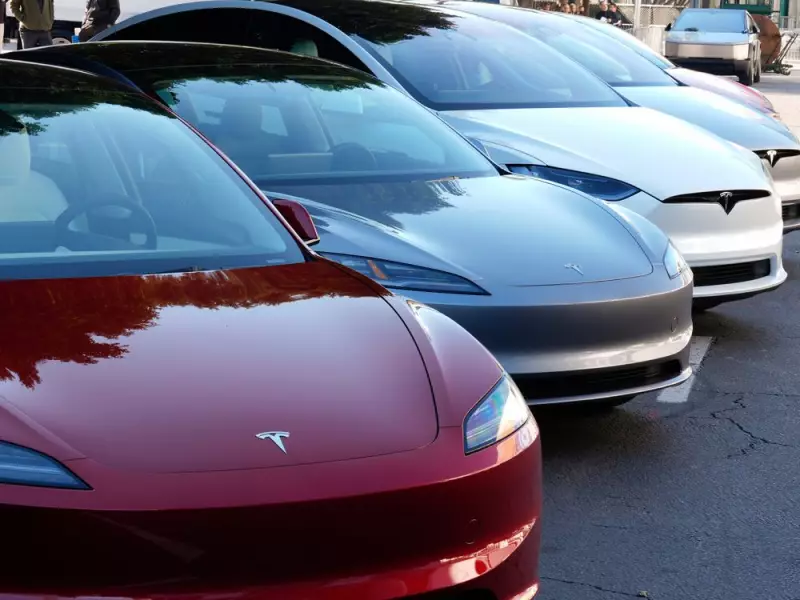
In a significant shift for the North American electric vehicle market, Canada has struck a deal with China that will dramatically lower tariffs on imported Chinese EVs. The agreement, announced in late January 2026, is expected to make Tesla Inc. and brands under China's Zhejiang Geely Holding Group, namely Volvo Car AB and Polestar, the initial primary beneficiaries.
Details of the Bilateral Agreement
The core of the new pact sees Canada agreeing to permit 49,000 electric vehicles from China each year, imposing a tariff rate of just 6.1 per cent. This move effectively removes the prohibitive 100 per cent duty that was instituted in 2024. The tariff reduction was negotiated in exchange for a concession from China regarding Canadian canola exports.
While the long-term goal is to attract investment from Chinese automakers into Canada, the immediate advantage will go to manufacturers that have already secured North American vehicle certification. Analysts from Bloomberg Intelligence, including Joanna Chen, identify Tesla and Geely's brands as fitting this criteria perfectly.

First Movers and Market Impact
Tesla had been a substantial importer of China-made EVs to Canada before the 2024 tariff hike, bringing in over 44,000 units in 2023. The restored access under favorable terms is a clear win for the automaker. For Geely, the impact will vary across its portfolio. The luxury sports car brand Lotus, which sells the China-made Eletre SUV in Canada for over $300,000, stated it expects the vehicle's selling price to drop by approximately 50 per cent thanks to the new tariff rate.
Polestar, another Geely brand, was notably impacted by the previous tariffs, leading it to focus on models built in South Carolina and South Korea. The deal potentially reopens a valuable avenue for its supply chain. Meanwhile, the world's largest EV maker, BYD Co., currently has minimal sales in Canada but stands to gain significantly, especially as the deal stipulates that half of the import quota must be for vehicles priced at $35,000 or less by 2030.
Streamlined Process and Broader Implications
Accelerating market entry, Transport Canada has committed to certifying new Chinese EV models within eight weeks as part of the agreement, according to a government official familiar with the terms. This streamlined regulatory process is designed to cut red tape and encourage a faster flow of vehicles.
This agreement with Canada adds momentum for the Chinese auto industry, coming shortly after the European Commission also created pathways to avoid its steepest tariffs. These developments highlight a growing divergence from the aggressive trade policies of U.S. President Donald Trump and could reshape the North American automotive landscape if Chinese manufacturers establish a strong foothound via the Canadian market.
The spokesperson for Geely acknowledged the change is a positive step overall, while Polestar and Tesla did not provide immediate comment on the new trade terms.