Transport Canada Investigates Rising Complaints Over Vehicle Headlight Glare
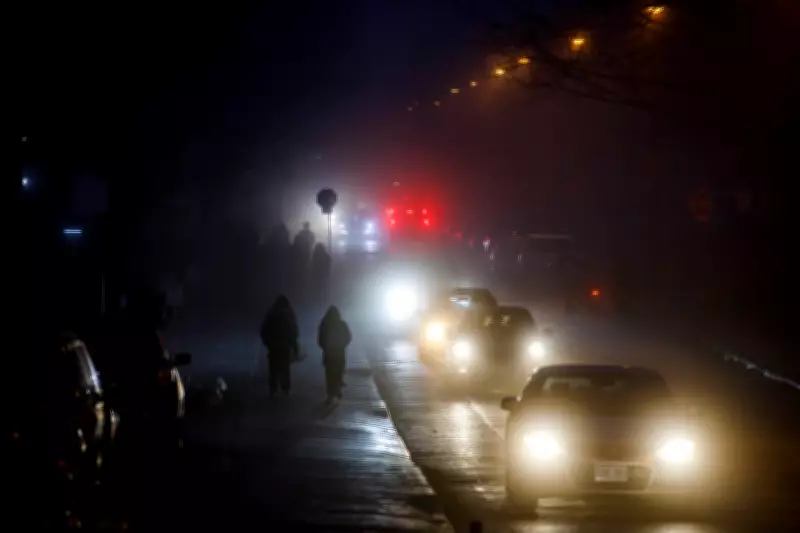
Transport Canada has launched a formal examination into the escalating issue of excessively bright vehicle headlights and the dangerous glare they produce on Canadian roads. The federal agency is responding to a surge in public complaints and safety concerns regarding modern headlight systems, which many drivers report as blinding and hazardous, particularly during nighttime or adverse weather conditions.
The Science Behind the Glare Problem
Modern vehicles increasingly utilize light-emitting diode (LED) and high-intensity discharge (HID) headlights, which emit significantly brighter and whiter light compared to traditional halogen bulbs. While these advanced lighting systems improve visibility for the driver using them, they often create intense glare for oncoming traffic and vehicles ahead. This phenomenon is exacerbated by the higher mounting positions of headlights on many contemporary trucks and SUVs, which direct light more directly into other drivers' eyes.
Transport Canada's investigation is focusing on whether current federal Motor Vehicle Safety Regulations adequately address this modern lighting challenge. The regulations, which haven't undergone major revisions regarding headlight standards in years, may require updating to account for technological advancements that have unintended safety consequences.

Potential Regulatory Changes and Safety Implications
The agency is considering several potential measures to mitigate the glare problem, including:
- Revised brightness limits for headlight systems
- Mandatory automatic beam adjustment technology that dims lights based on surrounding conditions
- Stricter alignment requirements during vehicle inspections
- Improved testing protocols that better simulate real-world driving scenarios
Road safety experts emphasize that excessive glare represents more than just an annoyance—it creates genuine safety risks. Temporary blindness from bright headlights can last several seconds, during which a driver traveling at highway speeds covers a considerable distance essentially vision-impaired. This increases the likelihood of collisions, particularly with pedestrians, cyclists, or roadside obstacles.
Public Feedback and Next Steps
Transport Canada is actively gathering input from various stakeholders, including automotive manufacturers, safety organizations, and the driving public. The agency has noted that while brighter headlights theoretically improve safety for the vehicle equipped with them, the net safety benefit must consider the impact on all road users.
The investigation comes as similar concerns are being raised internationally, with several European countries already implementing stricter headlight regulations. Transport Canada's findings could lead to proposed regulatory amendments in 2026, potentially affecting both new vehicle standards and aftermarket lighting installations.
For now, Transport Canada advises drivers experiencing problematic glare to ensure their windshields are clean (as dirt amplifies scattering of incoming light), adjust their mirrors properly, and avoid looking directly at approaching headlights. The agency emphasizes that addressing this issue represents a complex balance between advancing automotive technology and maintaining fundamental road safety for all Canadians.