Waymo Ramps Up Pressure on British Columbia to Legalize Autonomous Vehicles
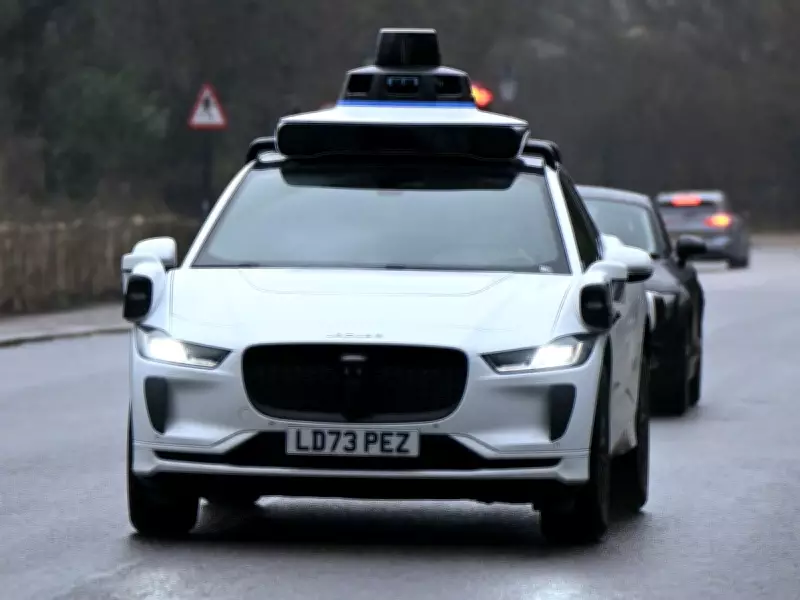
Silicon Valley-based autonomous driving giant Waymo is intensifying its lobbying efforts in British Columbia, pushing provincial officials to revise regulations that currently prohibit fully self-driving cars from operating on public roads. The company, which has labeled its technology as "emerging" in B.C., is determined to change the government's stance as part of its global expansion strategy.
Expanding U.S. Operations While Targeting Canadian Markets
Waymo has significantly expanded its autonomous taxi service across the United States, launching in four additional cities in February 2026: Dallas, Houston, San Antonio, and Orlando. This expansion comes alongside increased lobbying activities in Canada, where the company has enlisted StrategyCorp Inc. lobbyists to advocate for regulatory changes that would allow their vehicles to operate north of the border.
According to B.C.'s Office of the Registrar of Lobbyists, StrategyCorp representatives have had dozens of contacts with various officials, including those at ICBC, the Ministry of Transportation and Transit, and Finance Minister Brenda Bailey's office. These efforts aim to position British Columbia as a potential market for Waymo's autonomous ride-hailing service.

Safety Claims and Industry Advocacy
Waymo spokesman Ethan Teicher emphasized the company's engagement with Canadian officials, stating, "We are engaging with officials across Canada to help explain our technology and advocate for legal frameworks that would allow us to bring our fully autonomous ride-hailing service to Canada in the future."
The company promotes its technology as a significant advancement in road safety, claiming that its driverless vehicles experience 92 percent fewer crashes causing severe injury or worse, 92 percent fewer pedestrian collisions, and 85 percent fewer collisions with cyclists compared to human-driven vehicles over comparable distances. Waymo's service has accumulated over 322 million kilometers of autonomous driving across multiple U.S. cities, including San Francisco, Los Angeles, Austin, Houston, and Miami.
Critics Voice Concerns About Urban Impact
Despite Waymo's safety assertions, critics express concerns about the potential negative impacts of widespread autonomous vehicle adoption. Denis Agar, executive director of transit advocacy group Movement, argues that autonomous services could flood urban streets with additional passenger vehicles, many circulating empty and contributing to worsening traffic congestion.
"What it's going to mean is that for everyone else on the road, tradespeople, trucks, buses, the roads are going to end up being unusable," Agar warned, highlighting potential challenges for commercial and public transportation.
Safety Statistics and Regulatory Scrutiny
While Waymo promotes its safety record, data from the U.S. National Highway Transportation Safety Authority reveals that between July 2021 and November 2025, there were 1,429 accidents involving Waymo vehicles, resulting in 117 injuries and two fatalities, according to analysis by California law firm DiMarco Araujo Montevido.
British Columbia currently prohibits fully autonomous vehicles, categorizing them as emerging technology that requires careful regulatory consideration. Waymo's lobbying efforts represent a significant push to change this classification and open the province to autonomous transportation services.
The company's expansion strategy combines technological advancement with political advocacy, seeking to establish legal frameworks that would support its autonomous ride-hailing service in Canadian markets. As Waymo continues to grow its U.S. operations, its focus on British Columbia signals the province's importance in the company's global expansion plans.