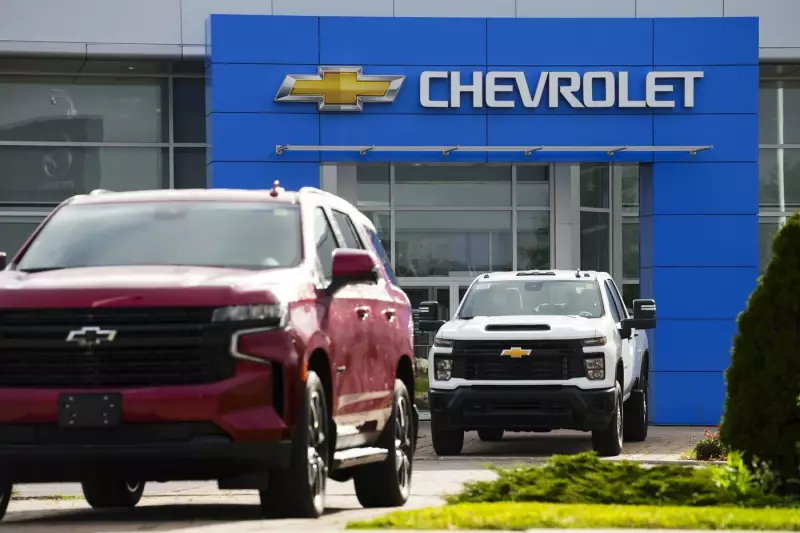
If you've recently shopped for a new vehicle in Canada, the sticker shock is likely no surprise. Despite a significant rebound in sales, the cost of buying a car remains stubbornly high in the post-pandemic era, leaving many consumers wondering when—or if—pre-pandemic pricing will return.
A Surge in Sales Meets Persistent High Prices
According to the latest industry data, there is a clear demand for new vehicles. DesRosiers Automotive Consultants Inc. reported that new car sales in November 2025 soared by more than 20 per cent compared to the same month last year. This jump signals a strong recovery in consumer interest and an improvement in the availability of vehicles on dealership lots, a stark contrast to the empty showrooms seen just a few years ago.
However, this sales boom has not triggered a corresponding drop in prices. The average transaction price for both new and used vehicles continues to sit at levels far above those seen before the global health crisis. Industry analysts point to a complex mix of factors that have fundamentally altered the automotive market landscape.

The Root Causes of the Price Pinch
The initial driver was the severe shortage of semiconductor chips and other critical components, which brought assembly lines to a near-standstill. While this supply chain crisis has eased, its effects are long-lasting. Manufacturers have prioritized producing higher-trim, more profitable models to recoup losses, shifting the market's baseline cost upward.
Furthermore, sustained consumer demand has allowed dealerships to maintain pricing power. The period of limited inventory taught both automakers and dealers that they could sell vehicles with fewer incentives and at higher margins. This new approach to inventory and pricing has become entrenched, resisting a full return to the heavy discounting of the past.
Increased costs for raw materials, energy, and labor have also been baked into the manufacturing process. These inflationary pressures across the global economy contribute directly to the final price tag of every new vehicle rolling off the line.
What This Means for Canadian Car Buyers
The current market dynamic suggests that the era of deep discounts and abundant negotiation room may be permanently altered. While improved supply means buyers have more choice and slightly shorter wait times, they should not expect a sudden, dramatic price correction.
Experts advise that savvy shoppers can still find value by being flexible on model and trim, considering certified pre-owned vehicles, and financing carefully in a higher-interest-rate environment. The market is rebalancing, but the definition of "normal" for car prices in Canada has been reset at a new, higher level.
The November sales figures from DesRosiers confirm the automotive industry's robust recovery in volume. Yet, for the average Canadian household, the financial hurdle to vehicle ownership remains significantly higher than it was just a few years ago, marking one of the most lasting economic legacies of the pandemic period.