Expert Advice from Windsor Auto Shop: Simple Strategies to Stop Wasting Fuel
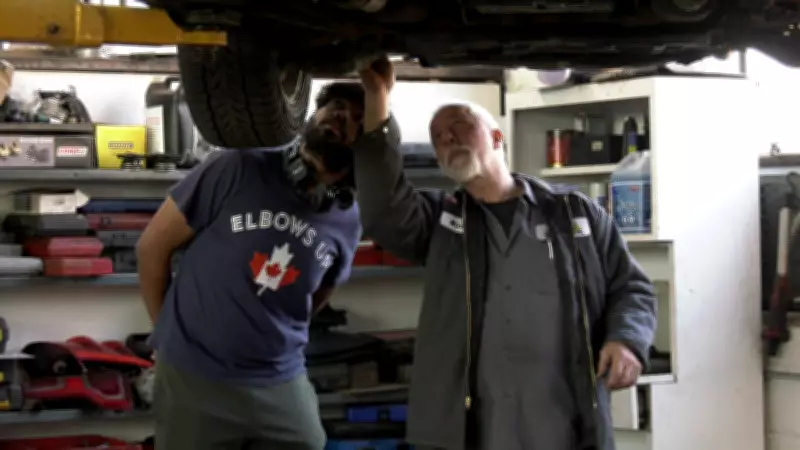
In an era of fluctuating gas prices, drivers are increasingly seeking ways to stretch their fuel budget. At Justin’s Auto Repair in Windsor, Ontario, technicians like the one who recently serviced Harish Srinivasan’s vehicle emphasize that small adjustments can lead to significant savings at the pump.
Maintenance Matters: The Foundation of Fuel Efficiency
Proper tire pressure is non-negotiable. Under-inflated tires increase rolling resistance, forcing your engine to work harder and burn more fuel. Check your tire pressure monthly, especially during temperature swings, and inflate to the manufacturer’s recommended level, usually found on the driver’s side door jamb.
Regular engine maintenance is equally critical. A dirty air filter, worn spark plugs, or a malfunctioning oxygen sensor can drastically reduce mileage. Schedule routine tune-ups and oil changes with a trusted mechanic to ensure your engine runs smoothly and efficiently.

Driving Habits: How You Drive Impacts What You Spend
Avoid aggressive driving behaviors that guzzle gas. Rapid acceleration, hard braking, and excessive speeding can lower your fuel economy by up to thirty percent on highways and forty percent in stop-and-go traffic. Instead, practice gradual acceleration and maintain a steady speed using cruise control when safe on long trips.
Minimize idling, which gets zero miles per gallon. If you anticipate being stopped for more than sixty seconds, except in traffic, turn off your engine. Modern vehicles are designed to handle frequent restarts without extra wear.
Vehicle Load and Aerodynamics: Lighten Up and Streamline
Remove unnecessary weight from your car. Every extra one hundred pounds can reduce fuel efficiency by approximately one percent. Clear out sports equipment, tools, or other items you don’t need for your daily commute.
Roof racks and carriers create drag, increasing fuel consumption. Remove them when not in use, and keep windows closed at high speeds to improve aerodynamics. Using air conditioning moderately is more efficient than driving with windows down on highways.
Planning and Technology: Smart Tools for Savings
Combine errands into one trip to avoid multiple cold starts, which use more fuel. Use navigation apps to find the shortest or least congested routes, reducing time spent idling in traffic.
Consider fuel-efficient technologies if purchasing a new vehicle, such as hybrid systems or start-stop engines. For existing cars, using the recommended grade of motor oil and keeping up with software updates can optimize performance.
By implementing these straightforward tips from Windsor’s automotive professionals, drivers can enhance their vehicle’s fuel economy, reduce environmental impact, and keep more money in their wallets with every trip to the gas station.