Windsor-Essex Navigates Pivotal Juncture Amid Canada's Shrinking Auto Manufacturing Footprint
The Canadian automotive landscape is undergoing a significant contraction in production volume, placing the historic manufacturing hub of Windsor-Essex at a critical inflection point. This industrial shift demands strategic adaptation from local stakeholders, policymakers, and the workforce as the sector reconfigures its future trajectory.
A Sector in Transition: Analyzing the Production Downturn
Recent data indicates a measurable decline in the number of vehicles assembled across Canadian facilities. This trend reflects broader global transformations within the automotive industry, including the accelerated transition toward electric vehicles, evolving supply chain dynamics, and intensified international competition. For regions like Windsor-Essex, whose economic identity has long been intertwined with auto manufacturing, this production slump presents both formidable challenges and potential opportunities for diversification and innovation.
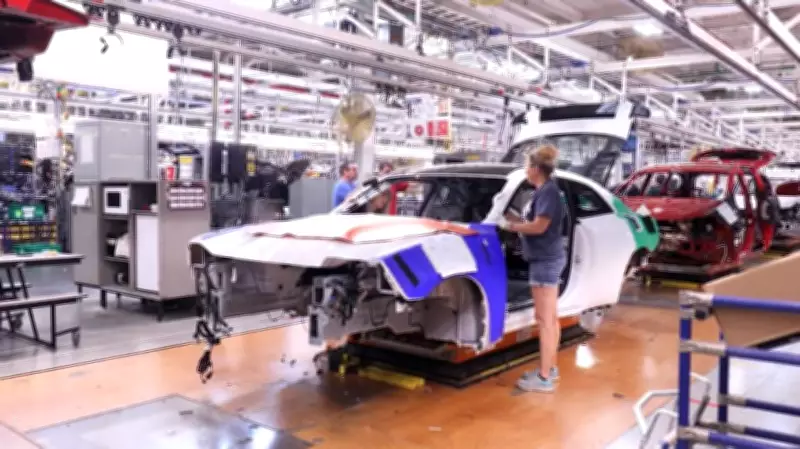
The Windsor Assembly Plant, a longstanding pillar of the local economy, exemplifies this period of change. As production lines that once hummed with activity potentially face recalibration, the community must confront the realities of a shifting industrial base. The region's response to this transition will be instrumental in determining its economic resilience and future prosperity.

Strategic Crossroads for a Historic Manufacturing Region
Windsor-Essex now stands at a strategic crossroads. The path forward involves complex considerations:
- Workforce Retraining and Skills Development: Investing in programs to equip the existing skilled labor force with new capabilities relevant to advanced manufacturing, battery technology, and electric vehicle components.
- Economic Diversification: Exploring and fostering growth in adjacent sectors such as advanced logistics, research and development, and green technology to build a more robust economic ecosystem.
- Policy and Investment Alignment: Coordinating municipal, provincial, and federal initiatives to attract next-generation automotive investments and secure the region's position in the future mobility landscape.
- Infrastructure Modernization: Upgrading industrial and technological infrastructure to support new forms of manufacturing and innovation.
This moment is not merely about managing decline but about proactively shaping a new industrial identity. The decisions made today regarding investment, training, and strategic planning will echo through the region's economy for decades to come.
The Broader Canadian Context and Regional Implications
The challenges facing Windsor-Essex are mirrored in other Canadian manufacturing centers, yet the region's deep historical ties to the auto industry make its situation particularly acute. The national decline in vehicle production is a multifaceted issue, influenced by factors such as trade agreements, consumer demand shifts, and global automakers' strategic realignments.
For Windsor-Essex, navigating this shift successfully will require a collaborative approach, uniting industry leaders, educational institutions, labor organizations, and all levels of government. The goal must be to transform this crossroads from a point of uncertainty into a launchpad for sustainable, future-oriented growth. The resilience and adaptability of the community will be key assets in turning this period of transition into an opportunity for renewal and reinvention.