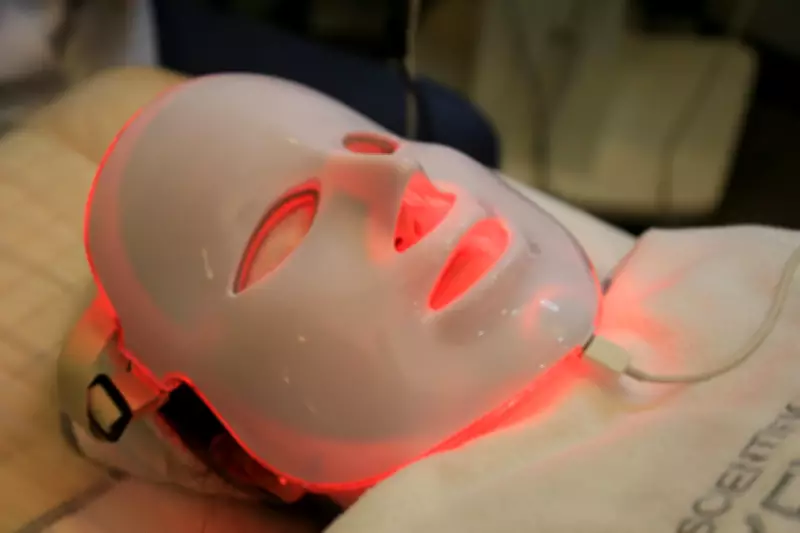
In the ever-evolving world of skincare, LED face masks have surged in popularity as at-home devices promising rejuvenation and treatment. However, before investing in one, it's crucial to understand their functionality and limitations. Dermatologist Dr. Panteha Eshtiaghi provides expert insights on what consumers should consider to make informed decisions.
Understanding LED Light Therapy
LED, or light-emitting diode, therapy uses specific wavelengths of light to target various skin concerns. Dr. Eshtiaghi explains that different colors serve distinct purposes: red light is often used for anti-aging and collagen production, blue light for acne treatment by killing bacteria, and amber or green light for reducing inflammation and hyperpigmentation. These masks are designed to deliver controlled doses of light to the skin, mimicking professional treatments available in clinics.
Effectiveness and Scientific Backing
According to Dr. Eshtiaghi, LED therapy has a solid foundation in dermatological research. Studies have shown that consistent use can improve skin texture, reduce fine lines, and manage acne. However, she emphasizes that results vary based on factors like skin type, the quality of the device, and adherence to usage guidelines. "While LED masks can be effective, they are not a magic cure-all," she notes. "They work best as part of a comprehensive skincare routine that includes cleansing, moisturizing, and sun protection."

Safety Considerations and Potential Risks
Safety is a paramount concern when using any at-home medical device. Dr. Eshtiaghi warns that improper use can lead to adverse effects, such as eye damage if protective measures are not taken. She advises users to always wear protective goggles provided with the mask and to follow manufacturer instructions meticulously. Additionally, individuals with certain conditions, like photosensitivity or active skin infections, should consult a healthcare professional before use. "It's essential to prioritize safety over convenience," she stresses, highlighting that cheaper, unregulated masks may not meet safety standards.
Key Factors to Consider Before Purchase
When shopping for an LED face mask, Dr. Eshtiaghi recommends evaluating several criteria to ensure value and efficacy:
- Wavelength and Color Options: Look for masks that offer multiple light settings to address specific skin issues, as versatility can enhance treatment outcomes.
- FDA Approval or Certification: Devices cleared by regulatory bodies like the FDA are more likely to be safe and effective, providing peace of mind.
- Build Quality and Durability: Invest in well-constructed masks from reputable brands to avoid malfunctions and ensure long-term use.
- User Reviews and Clinical Evidence: Research customer feedback and scientific studies to gauge real-world performance and reliability.
- Cost vs. Benefits: While high-end models can be expensive, they may offer better features and safety; balance budget with potential skincare improvements.
Integrating LED Masks into Your Routine
For optimal results, Dr. Eshtiaghi suggests incorporating LED masks into a consistent skincare regimen. She recommends starting with shorter sessions, typically 10-20 minutes per use, several times a week, and gradually increasing frequency as tolerated. Pairing the mask with serums or creams containing ingredients like hyaluronic acid or vitamin C can amplify benefits. "Consistency is key," she says. "Regular use, combined with healthy lifestyle habits, can lead to noticeable improvements over time."
In summary, LED face masks represent a promising tool in personal skincare, but they require careful consideration. By heeding dermatologist advice on safety, effectiveness, and smart purchasing, users can harness their potential while minimizing risks. As Dr. Eshtiaghi concludes, "Informed choices lead to healthier skin and better outcomes in the long run."