The Distinctive 'MAGA Tan': Aesthetic Trends and Expert Tips for Natural Glow
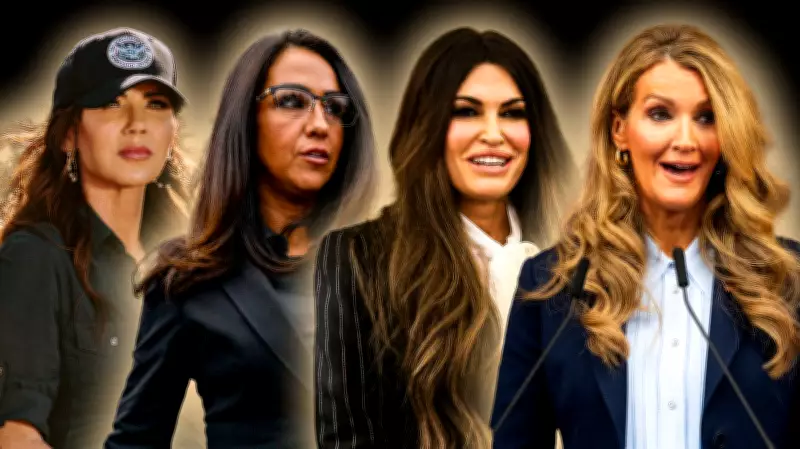
Within certain political circles, a particular tanning aesthetic has emerged that experts describe as unmistakably distinctive. This look, often characterized by orange, muddy, or even greenish undertones, has become associated with prominent figures and their supporters. While personal appearance choices remain individual matters, beauty professionals have identified specific factors that contribute to this artificial-looking bronze and offer guidance for achieving more natural results.
Identifying the Signature Look
Sophia Avanzato, founder of Main Line Mobile Spray Tan, describes the signature aesthetic as featuring "overdeveloped color" that frequently manifests as muddy, orange, or green tones. According to Avanzato, the muddy appearance typically results from "over application while chasing deeper color," while greenish hues can emerge from chemical reactions with skin care products or skin chemistry through oxidization processes.
Brittney Bennett, celebrity spray tanner and owner of Be Bronze Studio, explains that several technical factors contribute to these unwanted tones: leaving tanning products on for excessive durations, using inappropriate concentrations of Dihydroxyacetone (DHA) for specific skin types, selecting incorrect undertones, or layering new tanner over existing tans. "Your skin can only absorb so much DHA," Bennett notes. "When too much is applied, whether from high percentage, overdevelopment or repeated layering, the result isn't a deeper color, its distorted color."

Historical Context of Tanning Trends
Tanning preferences have evolved significantly throughout history, reflecting changing beauty standards and social perceptions. Scholars Phillip Vannini and Aaron M. McCright documented in their 2004 research that tanned skin once signaled "humble class origins" during pre-20th century periods when outdoor labor was considered undesirable among affluent circles.
The cultural shift toward bronzed skin as desirable began in the 1920s, famously popularized by fashion icon Coco Chanel after she returned from a Mediterranean cruise with sun-kissed skin. By 1929, Chanel declared, "A golden tan is the index of chic!" This transformation culminated in the 1970s with the establishment of tanning salons across the United States, cementing the association between deep tans and "time affluence"—the leisure to cultivate such appearances despite health risks.
Social Dynamics and Aesthetic Conformity
Jason Mudd, CEO and managing partner of Axia Public Relations, observes that "proximity to power often shapes appearance," with individuals in influential circles frequently adopting "unspoken visual norms to align with those in influence." This conformity represents what Mudd describes as "the human instinct to belong, signal loyalty, and match the aesthetic of a powerful brand."
Makeup artist Misha Lewis, owner of Misha Renee Artistry, suggests this dynamic might explain how certain tanning preferences become established and self-perpetuating within specific groups. "I think they intentionally began to tan themselves, likely without bronzer, and liked what they saw," Lewis speculates. "But then tan started to become overdone, whether real or sprayed on, and now they probably can't imagine themselves without the color in their skin."
Professional Recommendations for Natural Results
For those seeking sun-kissed appearances without artificial-looking results, experts offer several practical recommendations:

- Select Qualified Professionals: Avanzato advises choosing reputable spray tan artists or high-quality self-tanning products as foundational steps toward natural-looking results.
- Proper Preparation: Celebrity beauty expert Bryan Cantor emphasizes thorough exfoliation before application, recommending soft washcloths or dry brushing while cautioning against loofahs or harsh scrubs that can create streaking.
- Strategic Application: Cantor suggests applying body butter to knees, ankles, elbows, and knuckles before tanning to prevent excessive darkening in these areas. He recommends using tanning mitts for body application with long, vertical strokes and fluffy synthetic brushes for facial application.
- Balanced Formulation: For hands and feet, Cantor proposes mixing sunless tanner with moisturizer in equal proportions to "create a natural glow in these areas without overdeveloping the color."
- Subtle Execution: Avanzato highlights that "the face should always be softer than the body for the most natural results," and reminds clients that "the best spray tan is the one nobody recognizes as a spray tan. They just think you look healthy."
For those who find themselves with undesirable tanning results, Cantor offers straightforward advice: "If you've gotten a bad tan, there is little that skin care can do for you. You just have to wait for it to fade." As tanning technologies and preferences continue evolving, these professional insights provide valuable guidance for achieving natural, healthy-looking glow without venturing into artificial territory.