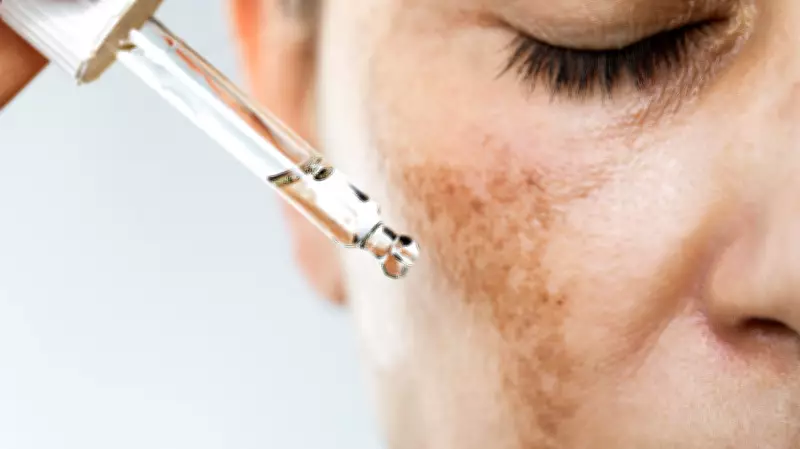
Understanding Melasma: A Stubborn Skin Condition
Hyperpigmentation of the skin is a common issue, but melasma stands out as one of the most persistent and challenging conditions to treat once it emerges. Unlike typical sun spots, melasma manifests as irregular dark patches on the forehead, upper lip, and cheeks, often referred to as "the mask of pregnancy" due to its frequent association with hormonal changes during pregnancy or from oral contraceptives, according to Dr. Brendan Camp, a board-certified dermatologist in New York City.
Causes and Triggers of Melasma
Dr. Serena Mraz, a board-certified dermatologist in Vallejo, California, notes that melasma is not limited to pregnancy; it can also appear suddenly in non-pregnant adults after facial sun exposure. Once present, even minimal sun exposure can worsen its appearance. "Melasma is most common in people with naturally darker skin but can also occur in very light skin types," Mraz added. Both experts emphasize that diligent sun protection is crucial for prevention, though topical products play a significant role in management.
Effective Treatment Strategies
Mraz explains that optimal treatment involves topical agents that inhibit tyrosinase, an enzyme essential for melanin production. "Combining an agent that blocks pigment with others that clean up free radicals and damaged cells, and mitigate the effects of inadvertent sun and environmental pollutants is ideal," she said. However, she warns that products causing excessive irritation should be used cautiously, as irritation can lead to post-inflammatory hyperpigmentation, exacerbating melasma.

Recommended Products for Melasma Management
To address melasma, dermatologists suggest a range of products from brands like Sephora, Amazon, and Paula's Choice. Here are some top recommendations:
- The Ordinary Niacinamide Serum: Board-certified dermatologist Blair Murphy-Rose recommends niacinamide for its ability to interfere with melanin synthesis and act as an antioxidant. This affordable serum uses a high-strength niacinamide concentration to brighten skin tone and reduce blemishes, with 1% zinc to balance complexion.
- La Roche-Posay Retinoid Treatment: Dr. Camp suggests this prescription-strength retinoid, previously available only by prescription, to treat discoloration from blemishes and melasma. Retinoids promote cellular turnover, increasing collagen production for smoother, brighter skin.
- Paula's Choice Discoloration Repair Serum: Camp also recommends this serum containing bakuchiol and tranexamic acid to reduce pigmentation. Its lightweight gel texture includes niacinamide for additional skin-brightening benefits.
- Wide-Brimmed Sun Hat: Mraz, Camp, and Murphy-Rose strongly advise wearing a wide-brimmed hat with UPF 50 protection when in the sun, as sunblock alone may not suffice.
- Eucerin Mineral-Based Sunscreen: Camp recommends this affordable tinted sunscreen with SPF 35 and zinc oxide, offering broad-spectrum protection and an antioxidant complex to combat environmental stressors.
- Elta MD Tinted Sunscreen: Experts agree that tinted mineral sunscreens provide the best melasma-specific protection, shielding skin from visible UV rays. This formula features SPF 46 and high-purity niacinamide.
- Alphascience Mela Bright C+ Serum: Mraz highlights this vitamin C serum with stabilized cysteamine to block melanin-causing enzymes and clean up free radicals, brightening skin and reducing pigment.
- Skinceuticals Discoloration Defense Serum: Murphy-Rose recommends this serum with kojic acid, tranexamic acid, and niacinamide to fight hyperpigmentation, using it twice daily with mineral sunscreen.
- Azelaic Acid Brightening Serum: Camp suggests this serum with azelaic acid, kojic acid, and vitamin E to reduce pigmentation and protect against oxidative stress, enhanced with hyaluronic acid for hydration.
By incorporating these products and strategies, individuals can better manage melasma and improve their skin's appearance, as advised by leading dermatologists.