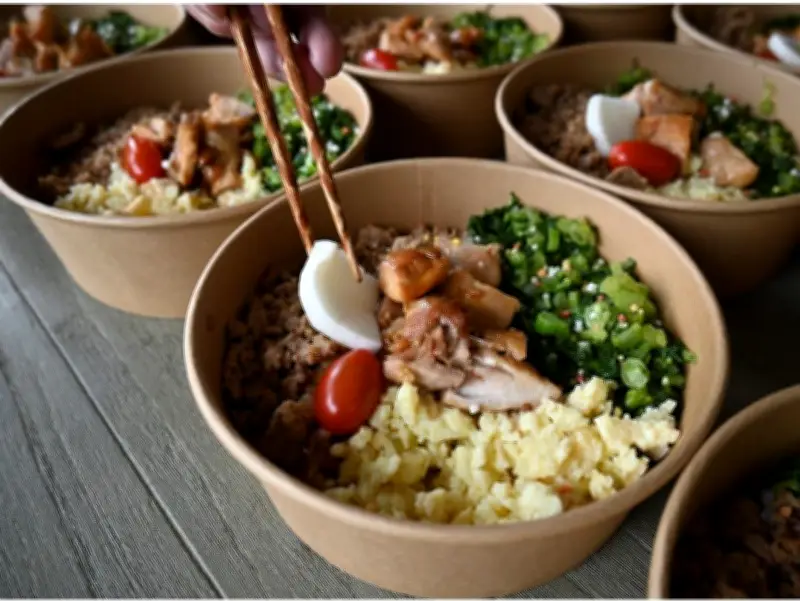
Bento lunches have long been a staple of Japanese cuisine, but they are much more than just a meal. These carefully arranged boxes celebrate Japanese culture and the spirit of friendship. In a recent article, the tradition of bento is explored as a way to connect people through food.
The Art of Bento
Bento boxes are known for their aesthetic appeal. Each compartment holds a different food item, often arranged to resemble flowers, animals, or characters. This attention to detail reflects the Japanese value of omotenashi, or heartfelt hospitality. Preparing a bento is an act of care, whether for a child, a spouse, or a friend.
In Japan, bento is commonly associated with school lunches and office meals. However, the practice has gained global popularity as people appreciate the balance of flavors, textures, and nutrition. The boxes typically include rice, protein, and vegetables, all packed in a compact and portable container.

Friendship Through Food
Sharing a bento can strengthen bonds. The article highlights how friends often exchange homemade bento boxes as a gesture of affection. In some communities, bento-making parties bring people together to learn from each other and share cultural stories. This communal aspect transforms lunch into a meaningful experience.
Key elements of a traditional bento:
- Rice or sushi as the base
- Grilled fish or meat for protein
- Pickled vegetables for tanginess
- A sweet treat, like fruit or mochi
Modern variations include vegetarian, vegan, and fusion options, making bento accessible to diverse dietary needs.
Cultural Significance
Bento boxes also reflect seasonal changes. Cherry blossom-shaped items in spring or pumpkin motifs in autumn connect eaters to nature. This mindfulness is central to Japanese culture, where food is both sustenance and art.
The article concludes that bento lunches are a celebration of Japanese heritage and a bridge for friendship. By taking time to prepare and share these meals, people honor traditions and create lasting connections.