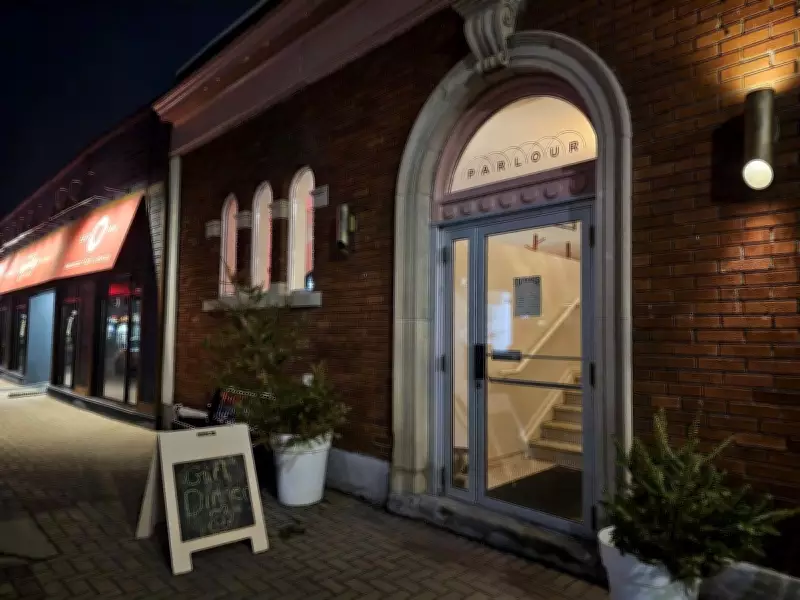
What began as a simple post-shift ritual of enjoying cheese and olives has blossomed into a significant charitable movement in Ottawa's culinary scene. Girl Dinner 613, a pop-up dinner series founded by restaurant workers Mélyna Amyot and Kali Fawcett, recently hosted its third annual International Women's Day fundraiser, serving an innovative twelve-course meal to a sold-out crowd at Parlour on Wellington West.
From Viral Trend to Community Cause
The term "girl dinner" originated from a 2023 TikTok trend describing the casual practice of assembling various snacks into an impromptu meal. Girl Dinner 613 has transformed this concept into a powerful vehicle for community support and fundraising. This year's event specifically benefited Hopewell, eastern Ontario's only eating disorder support center, with admission priced at $150 per person.
A Personal Connection to the Cause
"We spend all day cooking for others," explained co-founder Mélyna Amyot, highlighting why Hopewell was chosen as this year's beneficiary. She described how hospitality workers often fall into patterns of disordered eating, consuming meals at irregular hours like 10 a.m. and 3 a.m. without proper nourishment in between. "It may not look like a textbook eating disorder, but it is a pattern of disordered nourishment that most women in the industry recognize," Amyot noted.
Expanding Community Support
The third iteration of Girl Dinner demonstrated remarkable growth in community involvement. Nearly every element of the event was donated, including:
- All wine and beer selections
- Floral arrangements for decoration
- Ingredients for the twelve courses
"People just started asking, 'Can we give you flowers? Can we send four flats of beer you can sell to raise money?'" Amyot recounted. Most participating chefs declined their usual small budgets and instead donated their courses out of pocket, demonstrating the widespread support for the initiative.
Building Connections Through Food
Amyot emphasized that Girl Dinner aims to create more than just a dining experience. The event features communal, wedding-style seating designed to foster connections among attendees. "It's like a state of mind," she said about the inclusive atmosphere. "Everybody's invited." The organizers make deliberate efforts to group lone ticket-holders together, hoping to create new friendships through shared culinary experiences.
Evolution of a Culinary Tradition
Amyot and Fawcett first met while working at Buvette Daphnée and collaborated on an International Women's Day dinner there three years ago. When the restaurant closed shortly afterward, they decided to continue the tradition independently. The name "Girl Dinner" originated from their post-shift ritual of enjoying simple snacks together. "After our shifts, we'd be like, 'Oh, we're just going to have girl dinner,'" Amyot recalled, describing how they would eat cheese and olives on an overturned milk crate in the alley behind their workplace.
Last year, the pair raised $11,000 for Minwaashin, an Indigenous women's shelter in Ottawa, demonstrating the growing impact of their efforts. This year's twelve-course menu, while modest by traditional tasting-menu standards, showcased impressive ambition and culinary creativity from twelve participating women chefs.
The Challenge of Creating Community
Despite the organizers' intentions to foster connections among solo attendees, the sold-out event with two seatings presented logistical challenges. At this particular gathering, many attendees arrived as couples or industry acquaintances, making it difficult to consistently achieve the goal of creating new friendships among all participants. However, Amyot shared stories from previous events where six women who had each booked alone ended up at the same table and left with genuine new connections.
Girl Dinner 613 represents how a simple concept can evolve into meaningful community action, bringing together Ottawa's restaurant industry to support important causes while celebrating women's contributions to culinary arts.