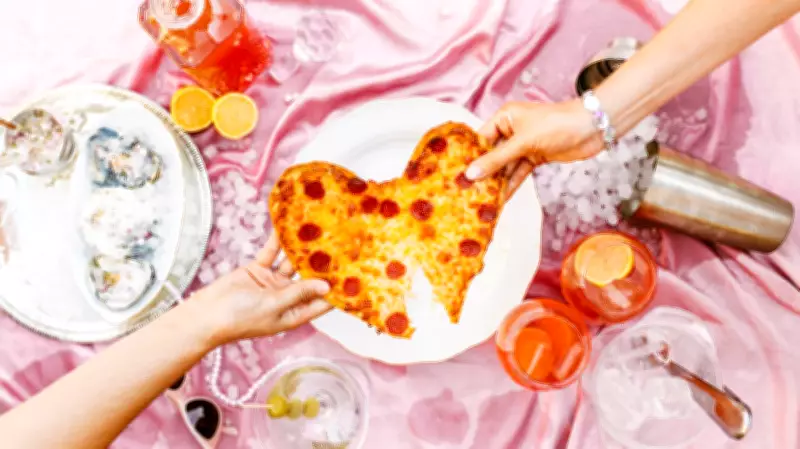
The Valentine's Aphrodisiac Myth: Paying Premium for Placebo
Every February, a familiar ritual unfolds across North America. Restaurants begin marketing oysters as romance insurance at inflated prices, while ordinary foods get repackaged as desire-boosting elixirs with premium markups. This collective belief in edible romance comes with a staggering price tag that reveals more about psychology than physiology.
The Billion-Dollar Placebo Industry
Last year, Americans spent a record-breaking $27.5 billion celebrating Valentine's Day. Within that massive total, more than $2 billion went specifically toward chocolates, while restaurants routinely charged 30-50% more for menus featuring supposed aphrodisiacs. A basic box of truffles, marketed as desire-enhancing treats, now retails for over $21.99, representing significant markups for what experts call psychological effects rather than biological ones.
"Foods that are often called aphrodisiacs mainly affect desire through the mind and the senses, not the body," explained Dr. Mohit Khera, past president of the Sexual Medicine Society of North America. "They look appealing, taste indulgent and carry a long cultural reputation tied to romance. The oysters aren't creating desire. Your brain is."

The Psychology Behind the Price Tag
Nutritionists and sexual health experts are remarkably blunt about what consumers are actually purchasing. You're paying for a placebo, they emphasize, but that psychological effect carries genuine power according to clinical research.
Dr. Christina Chick, a clinical psychologist specializing in couples therapy, describes what psychologists term the "meaning effect"—when belief produces real physical changes. "When you believe something will make you feel romantic, your attention narrows, anxiety drops and arousal becomes more likely," she explained. "That's not 'fake,' it's brain-body biology responding to expectancy."
Debunking Popular Aphrodisiacs
Take chocolate as a prime example. Serena Poon, a certified nutritionist and chef, clarifies the actual effects: "Dark chocolate may support mood by stimulating pleasure-related neurotransmitters, but these effects influence mood, relaxation, and sensory enjoyment, not sexual desire itself." To experience any measurable physiological impact, you would need to consume an absurd quantity in one sitting—creating digestive distress rather than romantic enhancement.
Oysters face similar scientific scrutiny. While they contain zinc that supports general health over the long term, they won't boost desire for a single evening. Strawberries work through pure marketing genius rather than biological mechanisms—their red, heart-shaped appearance and sensual presentation when dipped in chocolate create romantic moments through visual appeal and intimate rituals, not through any compounds within the fruit itself.
The Dangerous Alternative: Unregulated Supplements
The Valentine's Day pressure to find effective aphrodisiacs doesn't merely waste money—for some individuals, disappointment can push them toward genuinely dangerous alternatives. Many consumers assume that products labeled "herbal" or "natural" must be safe, but Dr. Khera warns this represents a dangerous assumption.
"Testing has repeatedly shown that many sexual enhancement supplements secretly contain prescription drugs, most commonly sildenafil or tadalafil—the same medications found in Viagra or Cialis—without listing them on the label," he revealed.
The risks prove serious and potentially life-threatening. If you're taking common heart medications called nitrates, interactions with these hidden prescription drugs can cause dangerous drops in blood pressure. Documented cases include strokes, serious organ damage, and even deaths according to medical reports.

What Actually Works: Patience Over Placebos
Some dietary patterns do genuinely affect sexual function, but these benefits require patience and commitment rather than quick trips to supplement stores. "Diets like the Mediterranean diet, rich in fruits, vegetables, whole grains, olive oil, nuts, fish and omega-3 fats, have been shown to improve erectile function," Dr. Khera explained. "Studies show that men who closely follow healthy dietary patterns have about a 30% lower risk of erectile dysfunction. That's a real, measurable effect, not a myth or a mood boost."
However, these benefits develop over months and years rather than overnight. If you're planning to use the Mediterranean diet as your Valentine's strategy, you should probably begin now for February 2028 rather than expecting immediate results.
The Real Secret to Romantic Connection
For this Valentine's Day, the answer proves simpler and far less expensive than premium aphrodisiacs. Sue McGarvie, a clinical sex therapist, shares what actually creates lasting romantic connections through a powerful client story.
One of her clients described a Valentine's experience that "permanently rewired her desire." Her partner insisted on a winter walk despite brutal cold temperatures. She grumbled, layered up, and stomped along feeling annoyed until they reached their destination.
"Her partner had packed down the snow, built a small fire pit, hauled in logs to sit on, laid out blankets and brought a picnic basket," McGarvie recalled. "He lit the fire immediately, wrapped her up, poured hot chocolate from a thermos, then wine. And then, not fancy food, but her favorite ridiculous Italian subs from the local shop. Big, messy, exactly what she loved."
"She melted on the spot," McGarvie continued. "She told that story for years and joked that to this day, Italian subs still make her horny. That's not food magic. That's association, imagination and being deeply seen."
Breaking Persistent Myths
Despite such powerful stories, couples still arrive at McGarvie's practice asking about the same persistent myths. One particular misconception frustrates her most: "Milk chocolate does nothing. It's dessert cosplay. If chocolate has any effect at all, it's very dark, bitter chocolate, the kind that tastes like chalk. And no, green M&Ms don't magically make you horny. If they did, Mars would be running the world by now."
That $22 truffle box and 50% restaurant markup mean consumers are paying premium prices for placebo effects. Any meaningful, personalized gesture works just as effectively—often more so.
Creating Genuine Romantic Moments
"Aphrodisiacs work best when they're part of a story, a fantasy, or a shared moment," McGarvie explains. "Desire isn't created by candles, it's created by curiosity, teasing and feeling wanted before you ever hit the bedroom."
Serena Poon agrees, emphasizing that "romance comes from slowing down and engaging the senses, which directly supports the brain's role in desire and bonding."
Experts recommend focusing on creating moments that allow couples to slow down and be fully present together. This might mean:
- Putting phones away during dinner
- Cooking a meal together instead of ordering out
- Recreating the meal from your first date
- Planning personalized experiences rather than purchasing marketed solutions
Don't fall for what Valentine's marketing tells you to buy. The thoughtfulness and personal connection matter infinitely more than any specific ingredients. The oysters can wait. Go for the Italian subs—or whatever creates genuine connection between you and your partner. Happy Valentine's Day!