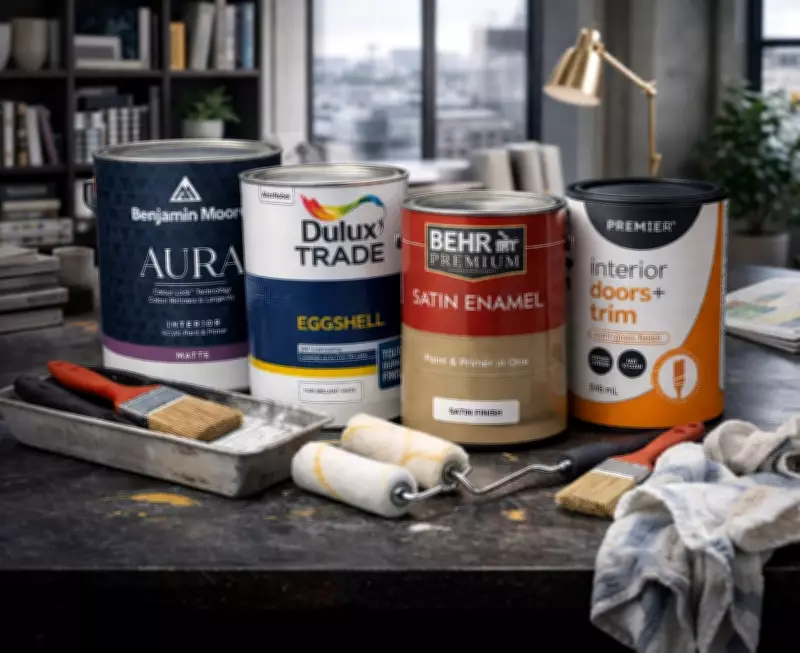
While paint color often steals the spotlight in home decor, the finish—its sheen, subtle reflectivity, and interaction with light—is where the true design narrative unfolds. Paint serves as the quiet overachiever in decorating, a critical detail that determines whether walls make a bold statement or fade into the background. Ignoring paint finish can lead to design missteps, so understanding its nuances is essential for creating harmonious and functional spaces.
Matte: The Sophisticated Choice for Calm Interiors
Matte paint, with its flat, velvety texture, is a favorite in contemporary interiors. This finish absorbs light rather than reflecting it, producing a soft-focus effect that flatters walls and conceals surface imperfections like uneven plaster. Ideal for living rooms and bedrooms, matte creates a cocooning atmosphere, especially when used in enveloping tones such as warm neutrals or deep charcoals. It is also a top pick for ceilings, where it promotes distraction-free serenity.
However, matte is less forgiving when it comes to scuffs and stains, making it best suited for low-traffic areas or design-focused spaces where aesthetics outweigh durability. To enhance its appeal, pair matte walls with contrasting finishes, such as satin on woodwork or gloss on furniture, to add layered, tactile interest.

Eggshell: The Versatile All-Rounder for Everyday Living
If matte is the aesthete, eggshell is the pragmatist. With a barely-there sheen reminiscent of an egg's surface, it offers a gentle lift in reflectivity while maintaining a soft vibe that complements other room elements. Eggshell provides dependable middle ground, excelling in hallways, dining rooms, and kitchens due to its balance of aesthetics and practicality.
Significantly more resistant to marks than matte and easier to clean, eggshell is perfect for homes that are actively lived in rather than merely admired. It also interacts beautifully with natural light, offering a subtle glow that shifts throughout the day without becoming overpowering. For a seamless, architectural feel, use eggshell in tonal schemes on walls, trim, and cabinetry with closely related shades.
Satin: The Polished Performer for High-Traffic Zones
Stepping up the sheen ladder, satin paint is slightly reflective and undeniably polished, merging practicality with soft sheen. It is ideal for kitchens, bathrooms, and other high-traffic areas, thanks to its robustness and wipeable surface that withstands daily wear and tear.
Satin imparts a gentle luminosity that enriches colors, making them appear more saturated. It is particularly effective on woodwork, such as doors and cupboards, where it highlights details without excessive shine. To create crisp definition without harshness, contrast satin trim against matte walls.
Gloss and Semi-Gloss: The Showstoppers for Dramatic Impact
Bold, brilliant, and unapologetically reflective, gloss and semi-gloss finishes are the extroverts of the paint world. Used sparingly—like on a lacquered door in a jewel tone—they elevate a space, while liberal application can transform walls into mirror-like surfaces for a dramatic statement.
Gloss is demanding, as it highlights every imperfection, necessitating meticulous surface preparation. The payoff, however, is drama, depth, and a high-end feel. For maximum impact, use gloss in unexpected places such as ceilings, alcoves, or furniture to introduce flashes of brilliance.
Final Considerations for Choosing the Right Finish
Selecting the best paint finish is not about rigid rules but about achieving balance. Consider factors like light exposure, traffic levels, desired mood, and materiality, and mix finishes to create contrast. Treat sheen as an integral part of your design language rather than an afterthought.
In interior applications, water-based products are often preferred over oil-based ones due to their environmental benefits and easier cleanup. Also, consider how finishes evolve over time: matte develops a gentle patina, while higher sheens maintain crispness. Artificial lighting plays a crucial role too—downlights can exaggerate sheen, whereas ambient illumination flatters lower-lustre walls.

Ultimately, paint finish is much more than a final step; it is the very essence of a successful design transformation. So, before picking up brushes and rollers, ensure surfaces are properly prepped with dust sheets. The journey to a beautifully finished space begins with thoughtful preparation and an understanding of how sheen shapes every room.