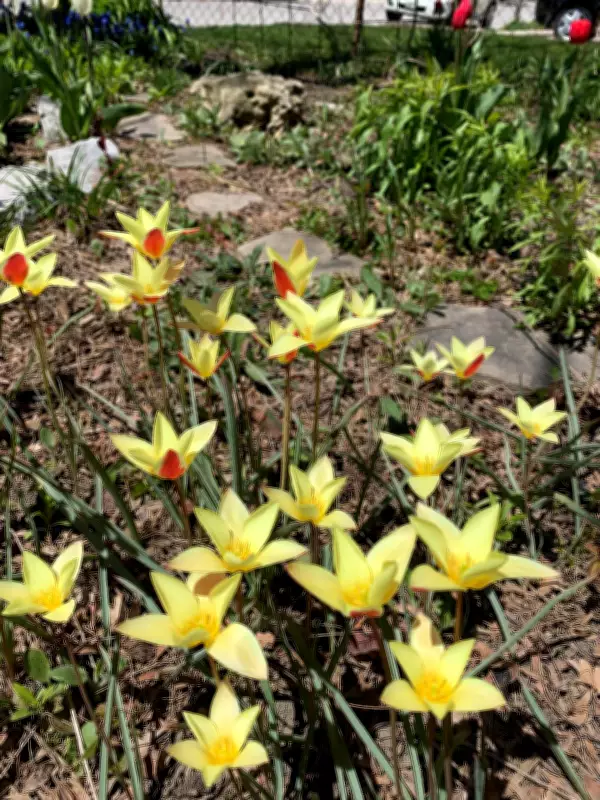
In the early days of May, as species tulips, grape hyacinths, and early Darwin tulips begin to bloom, city gardeners across Toronto feel the undeniable pull of their outdoor spaces. Yet, according to gardening expert Martha Uniacke Breen, patience remains the most crucial virtue when preparing your garden for another vibrant year.
The Temptation of Spring and the Need for Restraint
This spring has been a rollercoaster of weather, with warm, sunny days abruptly giving way to snowflakes dancing in the wind. By this time of year, urban gardeners are itching to grab their rakes and leaf bags, but Breen advises a cautious approach. "Step away from the rake and the leaf bag," she urges. "Just for a little longer. I promise."
Why Timing Matters in Spring Garden Maintenance
If you covered your garden beds with mulch, leaf litter, or compost materials last fall, these layers continue to provide essential benefits. Removing them too soon can disrupt the ecosystem. Beneficial pollinators and insects, such as ladybugs, bees, and butterflies, often overwinter in this material. Disturbing it prematurely risks consigning these creatures to compost piles or leaf bags before they are ready to hatch, a significant concern given that many species are already bordering on endangered status.

Moreover, exposing soil too early to the drying and compacting effects of wind and rain can be detrimental. Breen recommends waiting until temperatures consistently rise above 10 degrees Celsius, which typically occurs around the end of April in many growing zones.
A Phased Approach to Spring Clean-Up
When sunny days beckon, there are still productive tasks to undertake. Breen outlines a structured, multi-week plan to ease into the season without rushing.
Week 1: Gentle Beginnings
Start by removing litter, broken branches, and other debris from lawns and flowerbeds by hand. This is an ideal time to tackle young weeds, as the ground remains soft and they are easier to extract. If your lawn feels soft and spongy, minimize foot traffic to avoid compaction. Lightly rake any matted leaves to prevent them from smothering the grass underneath.
Shrubs and trees can be pruned now before they enter their peak growth phase, though Breen notes that pruning can be done as needed throughout the season. For emerging spring bulbs, use a small hand rake or your fingers to gently push mulch back an inch or two. Most bulbs can grow through mulch and withstand late frosts, but this early adjustment simplifies the process.
Weeks 2 and 3: The Main Cleanup
Breen recommends spreading the primary cleanup over at least two weekends due to its labour-intensive nature. Gently lift last year's mulch and transfer it to compost or leaf bags. In beds crowded with newly emerging perennials, she prefers using hands or a hand rake instead of a standard rake to avoid damage.
As you remove old mulch, trim and compost last year's dead growth from perennials showing new life. Once the old layer is cleared, add about two inches of fresh compost, topsoil, or triple mix to give the garden a healthy boost. While Breen likes to lightly incorporate this into the soil with a hand fork, she notes that earthworms will naturally do the work if the soil isn't overly compacted.
Finally, apply a top layer of two to three inches of mulch, ensuring it is pushed back an inch or two from plant stems. This technique prevents rot on tender new shoots and creates a moat effect that directs rainwater to the roots. If the garden is dry, a thorough soaking is recommended.
Embracing the Journey
By the time these chores are complete, the gardening season is typically in full swing, and thoughts naturally turn to future planting. Breen's approach transforms spring clean-up from a frantic task into a mindful journey, fostering a healthier garden and a more enjoyable experience for urban cultivators. Happy spring gardening!