As we move into 2026, the world of interior design is not heading for a revolution, but rather a thoughtful evolution. In contrast to the rapid pace of technological change shaping our daily lives, there is a growing gravitational pull toward creating homes that feel grounded, tactile, and authentically lived-in. The prevailing trend is one of comfort and reassurance, where spaces evolve at a refreshingly human pace.
The Rise of Thoughtful Maximalism and Personal Charm
According to noted designer and trend observer Arren Williams, the exuberance of maximalism remains popular but is being applied with more intention. "Maximalism is still very much alive, but in a more thoughtful, layered manner," Williams explains. He emphasizes that while comfort is essential, so is charm. "People want rooms that feel personal." This shift encourages decorating with meaningful pieces that foster a genuine connection, creating a sense of nostalgia that isn't tied to a specific decade.
Williams highlights the appeal of modern eclecticism, stating, "We're in a moment where eclecticism makes it easy to blend periods and styles, and that tension is what gives rooms real depth." This approach allows for a mix of sculptural, modern items with heritage pieces, generating a warm and individualistic atmosphere. One of his go-to neutral combinations for the year is white, black, and caramel, which he describes as "almost foolproof" and reminiscent of a style that blends Club Monaco with Ralph Lauren.

A Richer, Moodier Colour Palette Takes Centre Stage
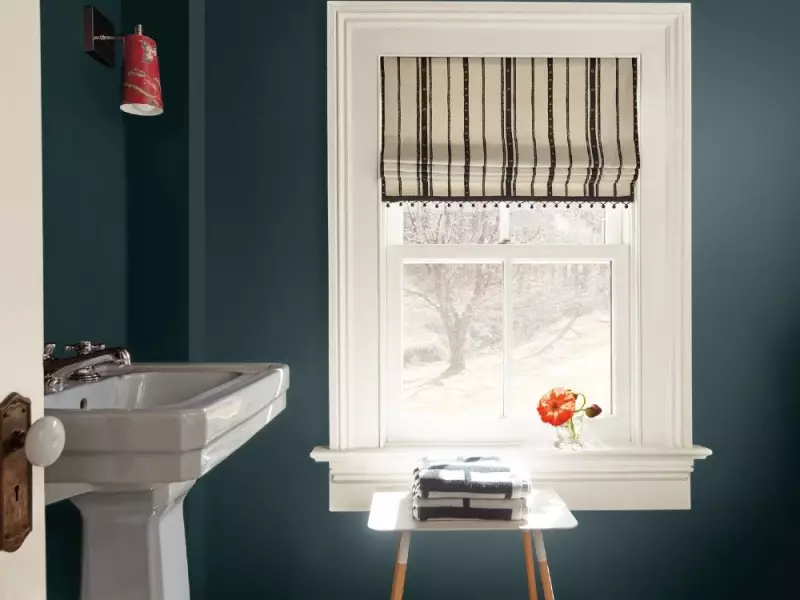
A significant trend defining 2026 interiors is a move toward deeper, more atmospheric colours. Williams points to deep greens, burgundies, and strong blues as key players in creating a richer, moodier palette. This trend is gaining such momentum that it's influencing major brands; for instance, Ikea has introduced a new blue cabinetry option called Lerhyttan in response to the growing popularity of blue kitchens.
This colour story is echoed in Benjamin Moore's 2026 Colour of the Year, Silhouette. Described by Sharon Grech, a media spokesperson for Colour Marketing and Design at Benjamin Moore, as an "espresso-charcoal hybrid," the colour is designed to bring "a sense of soft, sophisticated comfort home." Grech notes that Silhouette is a deliberate, gentle evolution from the previous year's Cinnamon Slate, reflecting a desire for continuity. The accompanying colour capsule is dominated by lower-chroma hues, including mineral greens, kiln-fired clay tones, tender blush neutrals, and nostalgic mauves. "There is a great desire for spaces that bring balance and reassurance," Grech adds.
For those hesitant to commit to such deep tones, Grech offers practical advice: "Start with a deeper colour like Silhouette or Narragansett Green in a small powder room or bedroom first."
Evolving Techniques: From Colour Drenching to Cocooning
The bold trend of colour drenching—painting every surface in a room one uniform hue—is itself evolving. In 2026, the technique is becoming more nuanced, creating a cocoon-like effect through gradients. Instead of a single flat colour, designers are applying different shades from the same colour family in a gradient pattern. As Williams notes, this technique has historical roots, having been pioneered during the Victorian age.
The gradient can transition from light to dark moving upward toward the ceiling, or vice versa, resulting in a layered and sophisticated look that adds depth and dimension to a space. This method allows for dramatic impact while maintaining a sense of softness and complexity.
Further emphasizing the blend of old and new, chrome finishes are making a notable comeback, particularly with the under-35 demographic, adding a touch of polished contrast to the otherwise warm and grounded aesthetic.
In essence, the interior design landscape of 2026 is defined by a collective yearning for stability and personal expression. It champions spaces that are not just visually appealing but are sanctuaries of comfort, rich with colour, texture, and individual history, offering a much-needed anchor in an increasingly digital world.