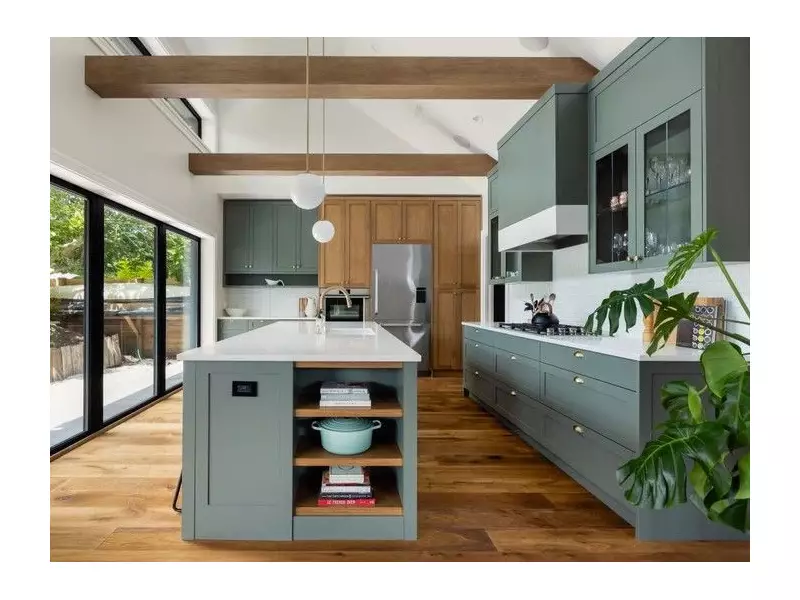
While fashion trends can be fleeting, interior design movements evolve more deliberately, offering homeowners time to adapt. The year 2026 is poised to bring significant shifts in how Canadians design their living spaces, moving away from recent staples and embracing warmth, nature, and functionality.
The Shift Away from Open Floor Plans
The once-ubiquitous open floor plan is finally seeing a decline. According to Madeleine Sloback, founder and creative director at Madeleine Design Group in Vancouver, the pandemic fundamentally changed how people view their homes.
"There is a desire for warmth and multi-functional living," Sloback explains. "Homes need spaces that work, not necessarily looking perfect at all times — hence the shift from all-open floorplan concepts."

This trend is echoed by Sarah Gallop, founder and director of design at Sarah Gallop Design Inc., who notes a "revolt against spaces being so open and undefined." The return of walls offers practical benefits, especially for families, by creating sound and mess barriers, while also providing valuable backdrop space for art and personal touches.
Embracing Nature with Biophilic Design
A dominant trend continuing to gain momentum is biophilic design—the intentional integration of natural elements into the home. This goes beyond simply adding a houseplant.
"Live plants or indoor gardens are always a nice way to do it but can be accomplished with water features or natural materials such as wood and stone, or even colours found in nature," says Gallop. The approach also emphasizes maximizing natural light and ensuring clear views of gardens or outdoor greenery.
Wellness and Warmer Colours Take Centre Stage
An extension of biophilic design is a heightened focus on health and wellness within the home. Designers are increasingly mindful of creating spaces that actively support well-being.
Ami McKay, president at Pure Design, is a proponent of this movement, drawing on her experience in creating healthy, high-performance homes. This holistic approach is accompanied by a decisive colour palette shift. The cool greys and stark whites that dominated the past decade are making way for warmer, earthier tones that evoke a sense of comfort and calm.
In summary, the interior design landscape for 2026 is defined by a move towards defined, multi-functional spaces, a deep connection to the natural world through materials and colours, and a conscious effort to design for both physical and mental wellness.