The Bathtub Revival: How This Classic Fixture Is Evolving in Modern Homes
For years, industry observers have repeatedly forecast the demise of the bathtub, citing larger showers, tighter bathroom spaces, and increasingly fast-paced lifestyles. Yet, a closer examination of contemporary residential projects reveals a surprising truth: the bathtub hasn't disappeared. Instead, it has undergone a significant evolution, transforming from a standard bathroom fixture into a deliberate design choice.
From Default Fixture to Deliberate Choice
"In recent residential projects, we don't see tubs vanishing," explains Golara Ghasemi, creative director and principal designer of Toronto-based Studio Golara Design. "They're being used more intentionally, based on how clients actually live."
This fundamental shift is dramatically reshaping bathroom layouts across North America. The once-ubiquitous tub-and-shower combination has largely been replaced by spacious, spa-like showers designed for everyday efficiency. Bathtubs, meanwhile, are now reserved for specific, carefully considered roles: accommodating family needs, supporting wellness rituals, or enhancing primary suites where space permits something more indulgent.

"The tub is no longer automatic," Ghasemi elaborates. "Most homeowners opt for one carefully placed tub — often in a secondary bathroom for children and resale value — or choose a sculptural soaking tub in the primary bath when the architectural footprint genuinely supports it."
When Space Dictates Design
When a bathtub is omitted from a renovation plan, the decision is rarely ideological. It's almost always spatial. "Size is almost always the deciding factor," Ghasemi states. "In many primary bathrooms, you simply cannot fit both a generous, comfortable shower and a tub that feels meaningful — and in that equation, the shower consistently wins."
This spatial reality is particularly common in urban homes and condominiums, where square footage is limited and daily routines take clear priority. Clients who do not regularly take baths are far more inclined to invest in a high-performance, luxurious shower system rather than compromise the overall bathroom experience by forcing an underused tub into the layout.
Budget considerations typically enter the conversation later, and often indirectly. "Clients aren't necessarily saving substantial money by removing the tub," Ghasemi notes. "They're strategically reallocating those funds, choosing superior tile work, custom glass enclosures, or upgraded fixtures instead of spreading a limited budget across features they genuinely won't utilize."
The Enduring Appeal of the Bathtub
Despite the clear dominance of shower-forward bathroom design, a significant segment of homeowners continues to prioritize bathtubs—and for distinctly different reasons.

- Families with Young Children: Households with small children almost universally maintain at least one bathtub. In these homes, the tub remains a daily-use essential, valued primarily for its practical function over pure aesthetic form.
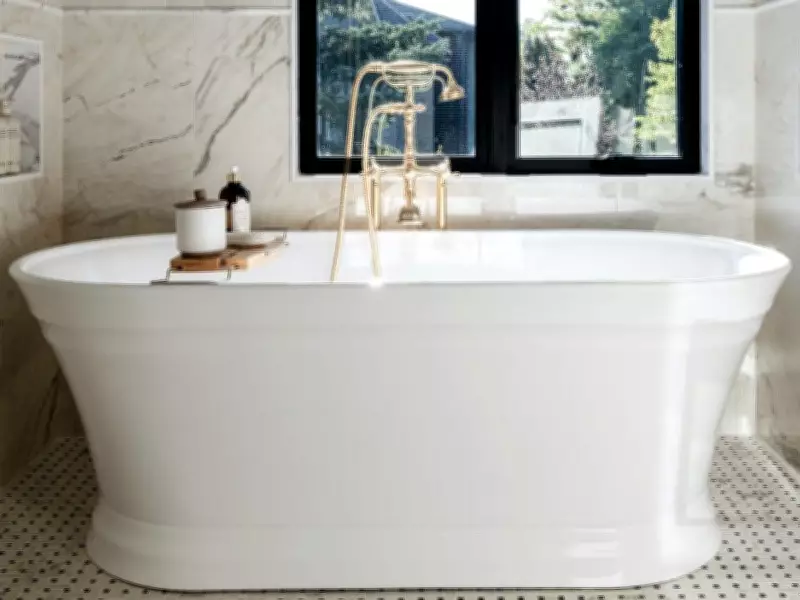
- Luxury Homeowners: In high-end residential projects, homeowners approach bathtubs from an entirely different perspective. Here, a freestanding tub becomes a visual anchor and a statement piece—less about frequency of use and more about creating a powerful presence. Sculptural forms and refined materials like stone and brass communicate a sense of deliberate restraint and thoughtful intention rather than mere opulence.
- Wellness-Focused Individuals: For homeowners prioritizing self-care, bathtubs serve as a cornerstone of a broader wellness environment. Even if showers handle daily hygiene routines, a deep soaking tub supports dedicated moments for rest, recovery, and personal ritual. This reinforces the broader cultural shift where bathing has transformed from a basic necessity into a conscious, chosen luxury.
The narrative of the bathtub's death has been greatly exaggerated. Instead of vanishing, it is being reimagined. No longer an obligatory fixture, the modern bathtub has become a strategic element in home design—selected with purpose, placed with intention, and cherished for the specific value it brings to contemporary lifestyles, whether that value is practical, aesthetic, or therapeutic.