Historic Design Elements Make a Strong Comeback in Modern Home Interiors
In today's world of smart technology and fleeting trends, a surprising movement is taking root in contemporary home design. Designers are increasingly turning to historic features with centuries-old origins, blending them seamlessly with modern aesthetics to create spaces that feel both current and timeless.
The Enduring Appeal of Herringbone Patterns
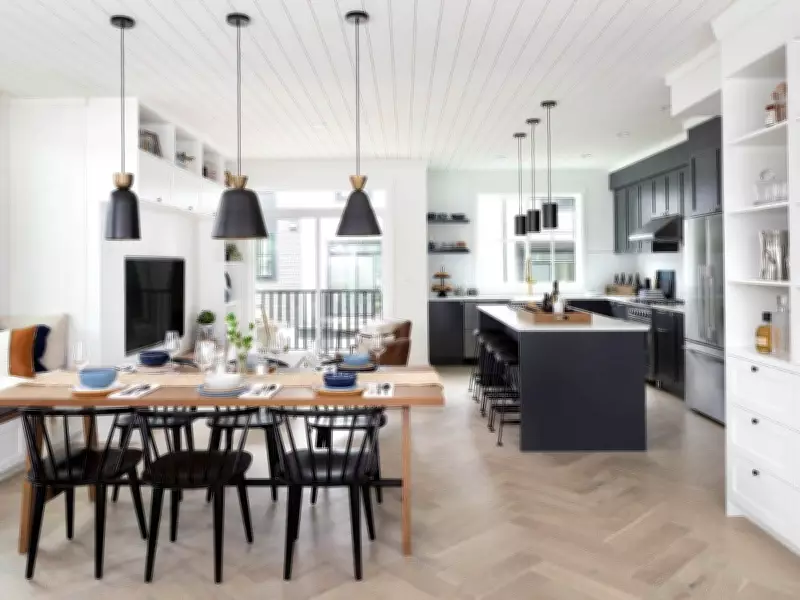
One of the most prominent historic design features seeing renewed popularity is the herringbone pattern, frequently employed for flooring and eye-catching backsplashes in modern homes. This distinctive zigzag design, named for its resemblance to a fish skeleton, boasts an impressive lineage dating back to ancient Roman times when it was used to construct durable roads from stone and brick.
Melissa Hardwick, founder of Vancouver-based Melissa Hardwick Design, explains why this pattern has endured for centuries. "Unlike straight-set layouts, which feel static, herringbone creates rhythm and direction, so the surface feels alive," she says. "People are drawn to the herringbone pattern because it immediately suggests craftsmanship. Even when produced using contemporary methods, the pattern still reads as something that was carefully assembled rather than simply installed."

Hardwick notes that modern manufacturing techniques have made herringbone more accessible through engineered wood and mesh-mounted tiles, yet the fundamental appeal remains unchanged. The pattern adds visual richness without excessive ornamentation, allowing it to work equally well in both traditional and contemporary spaces.
Craftsmanship and Cost Considerations
Lisa Hansen, principal at Area3 Design in Richmond, British Columbia, agrees that herringbone-patterned floors represent a luxury element reminiscent of European architectural detail. "Not every flooring installer is capable of this application," Hansen explains. "This detail takes true craftsmanship — and definitely increases not only the product cost, but specifically the labour cost."
Because of these price considerations, herringbone flooring is more commonly found in custom homes rather than multi-family developments. However, designers are finding creative ways to incorporate these historic elements even in larger projects.
Blending Old and New in Contemporary Developments
At BMG's Holden Row development in South Surrey, Area3 Design deliberately incorporated herringbone flooring alongside other features with lengthy design histories. "At Area3, we love when design feels familiar in the best way," says Hansen. "With Holden Row we embraced the idea that some of the most timeless spaces come from revisiting what's already proven itself over time — and giving it a fresh point of view."
The development showcases how historic elements can be successfully integrated into contemporary projects, creating interiors that feel both current and comfortably lived-in.
Beyond Herringbone: Other Historic Features Making a Return
Herringbone patterns represent just one aspect of this broader design movement. Other classic elements enjoying renewed popularity include:
- Farmhouse sinks with their distinctive apron fronts
- Shaker cabinetry known for its clean lines and functional design
- Traditional craftsmanship techniques applied to modern materials
Hansen notes that these features help create homes that feel current, comfortable, and authentic. "Classic features like a farmhouse apron sink make a home feel current, comfortable and lived-in," she observes.
The Psychology Behind the Trend
This return to historic design elements reflects a deeper desire among homeowners for authenticity and permanence in an increasingly digital and transient world. While some of these features have remained largely unchanged over decades, others have received subtle design tweaks to better suit contemporary aesthetics.
The movement represents a thoughtful counterpoint to the constant churn of design trends, offering instead a connection to design history and proven aesthetic principles that have stood the test of time.