Professional Guidance for Home Enhancement Projects
Renowned handyman Steve Maxwell provides valuable insights for homeowners seeking to optimize their living spaces through practical improvements. With decades of experience in home maintenance and renovation, Maxwell addresses common concerns that arise during household projects, offering solutions that balance efficiency with effectiveness.
Understanding Floor Insulation Limitations
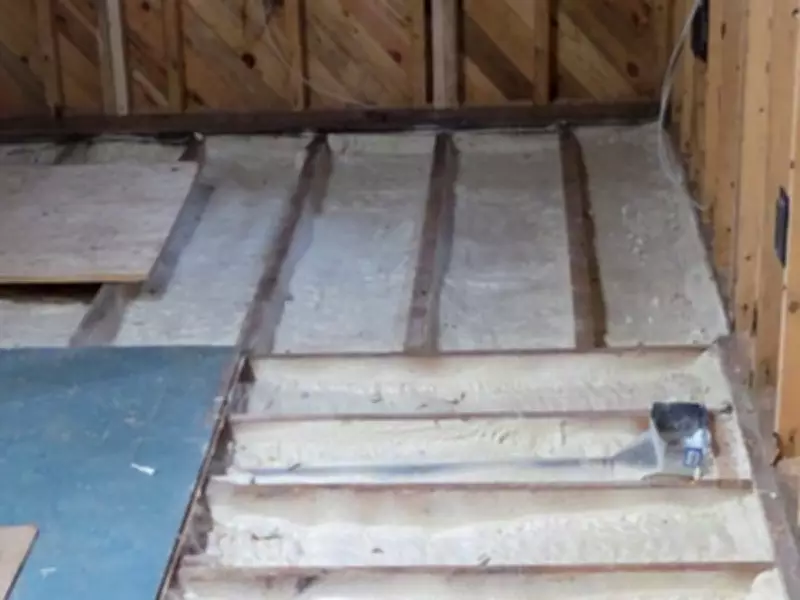
Question: Is there any benefit to applying more than 3 1/2 inches of spray foam insulation to a floor frame above an unheated space? My installer claims this thickness is sufficient, but wouldn't additional insulation provide better results?
Answer: Your skepticism regarding the installer's recommendation is completely understandable. When you have 3 1/2 inches of spray foam installed, this typically provides an insulation value ranging from R18 to R22, depending on the specific foam formulation used. While adding more insulation might seem advantageous, there are important thermal dynamics to consider.

No matter how much insulation material you install within a floor structure positioned above an unheated area that experiences full winter temperatures, the floor surface will never feel genuinely warm underfoot. The insulation certainly makes a significant difference in energy efficiency and comfort, but the floor will consistently maintain a cool sensation even when room temperatures reach comfortable levels.
The Law of Diminishing Returns in Insulation
The benefits of additional insulation do not increase linearly but rather diminish as you add more material. The comfort improvement gained from adding another 3 1/2 inches of foam will not equal the benefit provided by the initial 3 1/2 inches. Research indicates that your current insulation thickness likely delivers between 80 and 90 percent of the comfort advantages that seven inches of foam would provide.
Essentially, you have already achieved most of the potential benefits. However, even with joist cavities completely filled with foam, your feet will continue to perceive coldness unless you incorporate some form of in-floor heating system. Among the most effective solutions available is the Schluter DITRA-HEAT system installed beneath ceramic tiles.
Strategic Recommendations for Optimal Results
If this were my personal project, I would maintain the existing foam level and allocate additional resources toward implementing in-floor heating. While there are marginal gains from adding more foam, these improvements are minimal. One supplementary approach worth considering involves applying two inches of rigid extruded polystyrene foam board over the subfloor during installation.
This would be followed by another subfloor layer above the foam, then the Schluter heating system, and finally your finished flooring material. The advantage of incorporating rigid foam in this manner is that it effectively blocks thermal bridging through the wooden joists. Even with foam-filled cavities, approximately 10 percent of your floor area maintains an R-value of only 7.5, since wood provides about R1 per inch of thickness. Adding rigid foam sheets on top significantly optimizes the overall thermal performance.
A practical example from northern Ontario demonstrates that a floor featuring just two inches of extruded polystyrene foam as part of the subfloor structure, without any spray foam or additional insulation, remains comfortably warm when electric floor heating is activated. The homeowner reports that the additional electricity consumption appears minimal.
Drill Press Maintenance and Troubleshooting
Question: How can I prevent the chuck and shaft from repeatedly falling out of my drill press?
Answer: This represents a common issue typically caused by the presence of oil or grease in areas where it should not be. Drill press chucks are secured through a tapered shaft mechanism that fits into a corresponding hole. For this tapered connection to function properly, both surfaces must remain completely free of oil, grease, or any other contaminants.

The solution involves thoroughly cleaning these surfaces with rubbing alcohol and a clean cloth. Wipe the shaft meticulously with an alcohol-saturated rag, and use a small dowel wrapped with cloth to clean the interior hole. After allowing the alcohol to evaporate completely, reinsert the chuck and shaft into the hole. Place a block of wood on the drill press table, then utilize the drill press itself to apply pressure to the connection by driving the stationary chuck downward into the wooden block. This procedure should resolve the problem permanently.
Steve Maxwell regularly employs his drill press in his workshop while creating instructional videos for his YouTube channel, Bailey Line Road. Homeowners can visit his website at baileylineroad.com and join thousands of subscribers who receive his weekly home improvement and workshop newsletter.