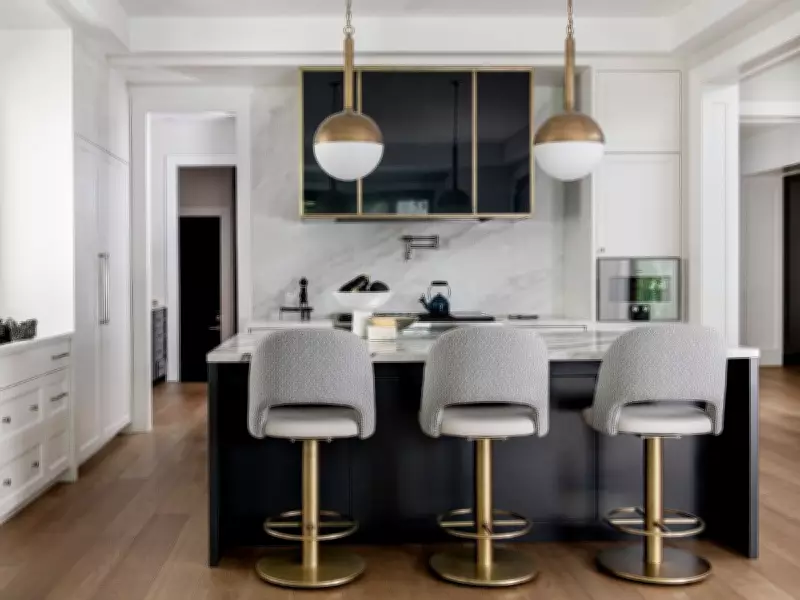
The Rise of Living Metals in Modern Home Design
For decades, the gold standard in home design involved metallic finishes that maintained their pristine appearance indefinitely. Polished, sealed surfaces that resisted the natural wear of daily life represented the height of sophistication. However, a significant paradigm shift is underway, with homeowners and designers increasingly embracing materials that evolve, develop character, and tell a story through their changing appearance.
From Static Perfection to Dynamic Character
"There's a growing fatigue with interiors that feel overly polished or static," explains Jessica Cinnamon, principal of Jessica Cinnamon Design. "People are gravitating toward materials that have depth, variation, and evolve over time." This movement represents more than just an aesthetic preference—it reflects a deeper desire for authenticity and connection within living spaces.
Known as 'living finishes,' metals such as unlacquered brass, copper, and bronze come without protective coatings, allowing them to respond organically to everyday interactions. A hand on a faucet, steam in a bathroom, or simply the passage of time creates a gradual patina that adds softness and distinctive character to these materials.

The Emotional Impact of Evolving Surfaces
"These surfaces as they age bring warmth, but more importantly they introduce change," Cinnamon emphasizes. This evolution makes spaces feel more personal, custom, and less manufactured—a highly desirable quality among contemporary design clients. The designer notes that living metal finishes possess a unique ability to bring authenticity and movement into interior environments.
Cinnamon adds that these materials contribute a quiet richness to interiors: "A soft patina on brass or the deepening tone of bronze makes a space feel considered and intentional." This approach represents a fundamental rethinking of how we value materials, prioritizing character development over static perfection.
Designing for Multi-Sensory Experience
The growing popularity of living finishes is influencing how fixtures are designed and manufactured. Reka Kevsehi, co-founder of Vogt, brings a European-influenced perspective to the brand's Canadian-made kitchen and bathroom fixtures. She believes that design should engage more than just the visual senses.
"Textures, the sense of touch and all our other senses are more important than you may think when it comes to experiencing interior spaces," Kevsehi observes. Referencing neuroaesthetics—the study of how surroundings influence quality of life—she adds, "The objects around you have a direct effect on your emotional well-being."
At Vogt, this philosophy translates into products that prioritize interaction as much as appearance. The Zauber handles, for example, feature subtle knurled ridges that catch light and invite tactile engagement, creating a more immersive experience for users.
Creating Layered Material Stories
Kevsehi notes a significant shift toward more complex material palettes, where finishes are chosen in combination to create contrast and depth. Living finishes and darker tones such as gunmetal and obsidian are gaining particular traction because they serve as versatile bridges between warm and cool metals while adding architectural sophistication.
"It's less about choosing one finish and more about creating a curated material story," she explains. This approach allows designers to craft spaces with narrative depth, where different materials interact and complement each other over time.
The Practical Beauty of Evolution
For a client's bathroom project, Cinnamon selected a fluted faucet in brass. As the surface begins to develop patina, the raised edges soften while recessed grooves deepen, subtly emphasizing the form over extended use. The result, she notes, is a fixture that "develops character with use, almost becoming a record of how the space is lived in."
This embrace of natural evolution represents more than a passing trend—it signifies a fundamental reorientation toward materials that celebrate the beauty of change, the authenticity of use, and the emotional resonance of spaces that grow alongside their inhabitants.