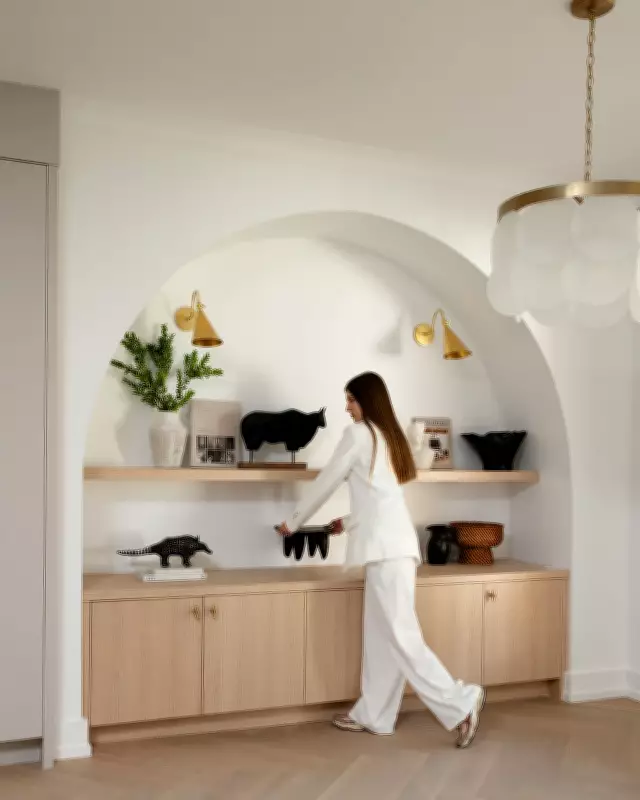
In an era where homes serve as sanctuaries, Canadians are increasingly turning to sensory design to create spaces that are not only visually appealing but also deeply comforting and adaptable to the country's diverse climate. According to Taskrabbit's 2026 Canadian Trend Report, the five senses—sight, sound, smell, taste, and touch—along with a uniquely Canadian "sixth sense" for weather, are driving home trends that prioritize intentionality, nostalgia, and year-round comfort.
The Rise of Sensory Design in Canadian Homes
Taskrabbit, a platform connecting users with local professionals for home tasks, highlights in its report that sensory design is about making spaces feel welcoming and personalized. Pashv Shah, General Manager of Taskrabbit Canada, explains, "Sensory design is all about making spaces feel intentional and welcoming. More recently, we've been seeing Canadians design their homes not only to look right, but also to feel right. Our senses shape how we experience comfort and familiarity, drawing on memories, moods, and the little details that make a space feel like our own."
The report identifies a growing trend of bringing the outdoors indoors, with natural elements and culinary-inspired colors gaining popularity. Shah notes, "Beyond just the aesthetics, there is a growing desire to lean into True North pride. This has sparked a rising trend in retro and vintage-inspired décor, signalling a nostalgic return. By blending these 'heritage' touches with natural textures, we're creating a home base that feels authentically and proudly Canadian."

The 'Sixth Sense': Adapting to Canadian Weather
Taskrabbit introduces the concept of a "sixth sense" in home design, which focuses on adapting spaces to Canada's rapidly changing weather conditions. Shah elaborates, "As Canadians, whether we like it or not, designing our spaces for all seasons isn't optional. The 'sixth' sense is really about adapting our homes to the climate and rapidly changing weather conditions, so we stay comfortable all year-round."
Data from the report shows increased searches for terms like "snow," "seasonal," "summer," and "rain," indicating that homeowners are proactively designing with weather in mind. This includes features such as snow-proofed entryways, cozy winter-ready living areas, and sun-soaked patios. Additionally, home gyms and saunas are seeing significant spikes in popularity, even during freezing temperatures, as Canadians seek functional indoor sanctuaries.
Expert Insights on Seasonal Home Design
Olivia Bailey, Creative Director and Principal of Toronto-based Olivia Bailey Interiors, emphasizes the importance of designing homes that appeal to all senses while remaining comfortable throughout the year. She advises, "For me, designing a home that works for all four seasons adds another layer of consideration. Winter requires warmth and coziness—think insulating textiles, layered lighting, and natural materials that retain heat. Summer calls for cool, airy spaces with well-placed shading, reflective surfaces, and airflow that keeps rooms comfortable."
Bailey highlights the need for flexibility during spring and fall, suggesting adaptable furnishings and spaces that can open to patios or sunrooms. She recommends swapping heavier fabrics like chenille, flannel, and velvet with lighter materials such as cotton and linen in warmer months. In winter, she focuses on layered furnishings, cozy textiles like wool and bouclé, and thoughtful lighting to create warmth and depth.
Color and Texture Strategies for Seasonal Transitions
According to Bailey, color and texture choices should respond to seasonal changes. She uses warmer tones in winter, lighter shades in summer, and layered textures to bridge transitions. In spring, she incorporates soft neutrals for a calm foundation and muted pastels for subtle color, adding fresh accents through florals, textiles, or art. Bailey notes, "I always aim for an intentional look that feels warm and quietly uplifting. And I love adding flowers in every room. I try to advise my clients to bring allergy-friendly spring flowers that work well indoors such as tulips, daffodils, and orchids."
Key Findings from the 2026 Canadian Trend Report
Based on year-over-year data from Taskrabbit's job booking platform, the report details how each sense influences home trends:

- Sight: Tasks featuring neutral tones, including greens, browns, and blues, are on the rise.
- Touch: Clay, natural, and wooden elements are surging as Canadians opt for meaningful touches over mass-produced items.
- Sound: Acoustic improvements are increasing, with speakers and soundbars showing a move away from poor-quality audio.
- Taste: Culinary colors like olive, berry, lemon, and fruit are expanding from kitchens into other rooms.
- Smell: Tasks involving rose, flowers, and scented items indicate a trend toward bringing natural aromas indoors.
- The Sixth Sense, True North Comfort: Requests related to snow, seasonal, summer, and rain highlight the importance of designing for all four Canadian seasons.
This comprehensive approach to home design reflects a broader shift among Canadians toward creating personalized, adaptable living spaces that cater to sensory experiences and weather adaptability, ensuring comfort and familiarity year-round.