The Resurgence of Sunken Living Rooms in Modern Canadian Homes
When one imagines a sunken living room, visions of retro interiors from the 1950s to 1970s often come to mind. These distinctive stepped-down spaces, also known as conversation pits, have experienced a remarkable resurgence in recent years. Contemporary architects and designers are reimagining this classic feature for modern homes, blending nostalgic charm with current aesthetic sensibilities.
Cinematic Inspiration and Contemporary Applications
The recent film Fantastic Four: First Steps featured a striking sunken living room that captured public imagination. With clean lines and a playful mobile suspended above a blue-carpeted space inspired by Eero Saarinen's iconic Miller House, this cinematic representation has influenced real-world design requests. Toronto architects report increased client interest in incorporating conversation pits into residential projects, offering opportunities to revitalize this architectural feature for contemporary living.
Architectural Perspectives on Sunken Spaces
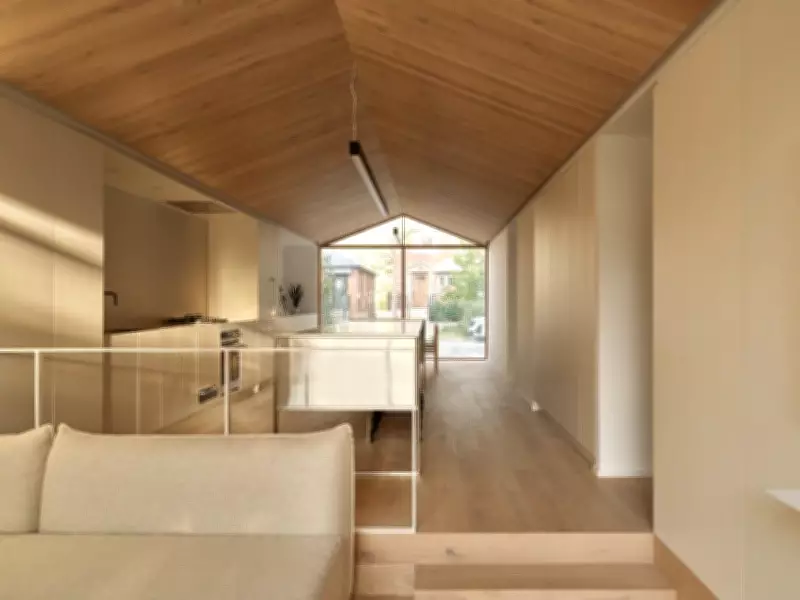
Andrew Hill, co-founder and principal at StudioAC, explains the appeal of sunken living rooms in urban settings. "Most Toronto homes have this long pancake of space," Hill observes. "But the sunken living room adds nuance by changing the vertical plane." This alteration creates what Hill describes as a cozy effect that naturally encourages conversation and connection among occupants.

StudioAC recently designed a sunken living room for a family relocating from New York to Toronto. Hill envisioned the space as a family destination for after-supper conversations or movie-watching. "While the living room is visually connected to the dining room, it also fosters intimacy," he notes. The design incorporates floor-to-ceiling windows that allow natural light to enhance the sunken area.
Practical Considerations and Accessibility
Kelly Buffey, partner and creative director at Akb Architects, is currently retrofitting a sunken living room in a heritage home. She notes that changes in elevation can effectively mark transitions between older and newer sections of a house. However, Buffey emphasizes important accessibility considerations, particularly for those planning to age in place.
"We do caution it for those who might be wanting to age in place for a significant amount of time," Buffey advises. For clients who choose to incorporate conversation pits, she recommends broad, well-lit stairs with handrails to ensure safety and accessibility.
Design Elements and Material Choices
Designers offer varied recommendations for finishing sunken living rooms. Buffey typically suggests using area rugs or broadloom to define the space, preferably with natural materials and flat weave carpets that add texture without creating tripping hazards. In contrast, Hill prefers concrete tiles or concrete floors with radiant heating beneath for a sleek, modern appearance.
Responding to Open-Concept Trends
Betsy Williamson, principal and founder of Williamson Williamson, interprets the return of conversation pits as a reaction against open-space planning trends. "There's definitely a shift away from planning homes as one flat open space," Williamson observes. Sunken living rooms provide architectural definition within larger areas, creating intimate zones while maintaining visual connections to surrounding spaces.
This renewed interest in conversation pits represents more than mere nostalgia. Contemporary interpretations address modern lifestyle needs while preserving the social and architectural benefits that made these spaces popular decades ago. As Canadian homeowners seek to create distinctive, functional living environments, sunken living rooms offer both aesthetic appeal and practical advantages for fostering connection and comfort.