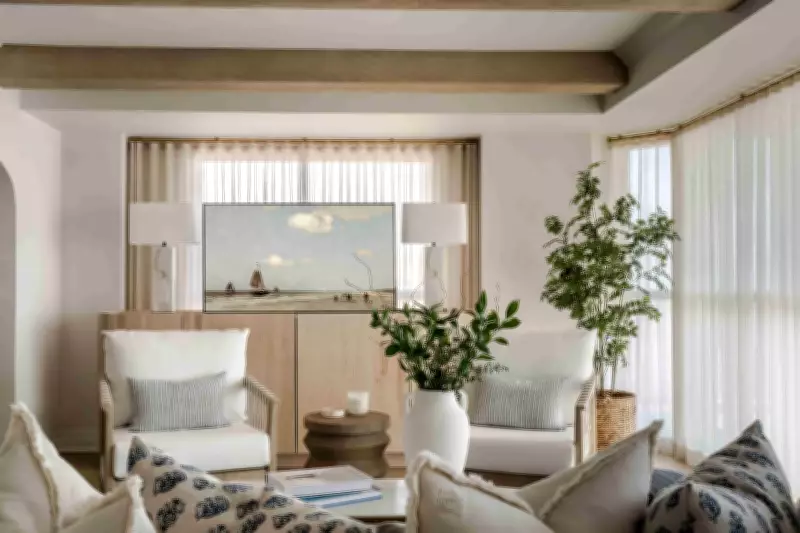
In an era where well-being has become a central focus for many Canadians, the concept of wellness design is rapidly transforming how homes are conceived and constructed. This evolution goes beyond mere aesthetics, embedding health and tranquility into the very fabric of living spaces.
The Rise of Wellness-Focused Interiors
Today's fast-paced lifestyle has prompted a significant shift towards creating residential environments that actively support physical and mental health. Amenities such as steam showers, cold plunge pools, and compact sauna cabins are no longer considered luxuries but essential components of modern home design.
"When a home is built around well-being, everything feels easier. You sleep better. You think more clearly. Routines feel natural instead of forced. Spaces support how you want to live, move and unwind. You reconnect with nature and yourself," explains Lisa Kooistra, owner and principal designer of Lisa Kooistra Designs in Burlington, Ontario.

Kooistra emphasizes that wellness design creates homes that "give back to you—a space that feels good to be in, every single day." This philosophy represents a fundamental rethinking of residential design priorities across Canada.
Redefining the Design Conversation
The wellness movement is redefining interior design conversations and influencing how contemporary clients want to experience their living environments. According to presentations from the Interior Design Show Toronto, wellness is "shaping the next evolution of interior design" through features that restore, recharge, and inspire mindfulness.
For design professionals like Kooistra, this approach involves creating homes that support how residents live, not just how spaces look. "It's thinking about flow, light, air and texture, but most of all, it's about the products that we are selecting," she notes. The emphasis includes supporting local companies with sustainable and eco-friendly qualifications while avoiding materials that might negatively affect health.
Driving Forces Behind the Wellness Trend
Several factors are accelerating the wellness design movement across Canadian residential markets. "A lot has shifted in the last few years and clients are more aware of how their homes make them feel," observes Kooistra. "We're home more, so our surroundings matter more. Stress levels are higher and people want spaces that reset them."
Wellness routines have transitioned from occasional indulgences to daily necessities, with the design industry responding with products that make these practices both realistic and aesthetically pleasing. Homeowners increasingly prioritize longevity and how a residence supports them over time, shifting focus from showpiece elements to functional spaces that enhance daily life.
Wellness in the Luxury Condo Market
The wellness movement is particularly evident in urban real estate markets, especially within Toronto's luxury condominium sector. Developers are responding to buyer demand by incorporating wellness-focused amenities that extend beyond traditional fitness centers.
"People are getting into the healthier side of things," says Anita Springate-Renaud of Engel & Völkers Toronto. "It's not just about exercise anymore. It's the entire well-being. People don't want to just live in a box with the usual fitness centre. They're looking for more."
New developments are featuring infrared saunas, steam rooms, yoga and meditation studios, sleep-enhancing lighting systems, and advanced air purification technologies. Projects like One Delisle offer residents access to comprehensive spa facilities including dry saunas, salt rooms, and eucalyptus rooms, while 429Walmer provides thermal and hydrotherapy circuits, Scandinavian saunas, cold plunges, and red light therapy alongside traditional fitness amenities.
Essential Wellness Amenities for Modern Homes
Wellness design doesn't require extensive spa wings; it can be thoughtfully integrated into virtually any residential space. According to design experts, the most requested wellness features currently include:

- Steam showers or spa-inspired bathrooms
- Cold plunge pools for hydrotherapy benefits
- Infrared saunas or compact sauna cabins
- Dedicated movement rooms for Pilates, yoga, or stretching
- Cozy corners designed for quiet reflection
- Natural materials and earthy textures throughout
- Thoughtful storage solutions to reduce visual clutter
- Proper daylighting with warm-dim lighting controls
- Advanced air and water purification systems
- Indoor plants and greenery to connect with nature
"Sometimes the most impactful wellness feature is simply a space that's calm, organized and easy to live in," Kooistra concludes. This holistic approach to residential design represents a significant evolution in how Canadians conceptualize their living environments, prioritizing health and well-being as fundamental components of home life.