The Power of a Statement Piece in Interior Design
A statement piece has the remarkable ability to transform any room from ordinary to extraordinary. Whether it's a decorative item such as artwork, a distinctive piece of furniture, or an architectural element, it serves to anchor the space while creating compelling visual interest. According to design experts, this focal point can set the tone and feeling of an entire area, making it feel more layered and intentional.
Expert Insights on Creating Focal Points
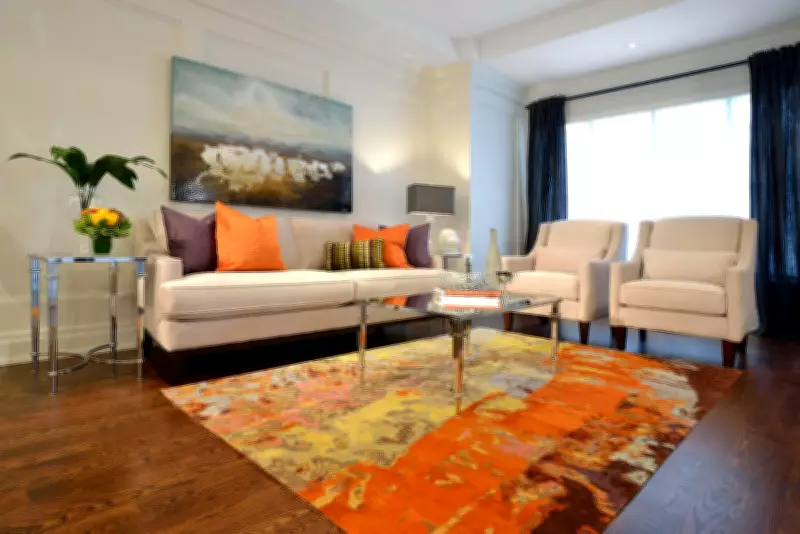
Jessica Cinnamon, principal designer and founder of Toronto-based Jessica Cinnamon Design Inc., emphasizes the importance of statement pieces in neutral interiors. "In a neutral interior, oversized artwork, a sculptural furniture piece, or a bold area rug introduces contrast, texture, or form without overwhelming the palette," she explains. "It gives the eye somewhere to land and adds personality, while the surrounding neutral elements allow the statement piece to really shine. The result is a room that still feels calm and cohesive, but far more layered and visually interesting."
Evelyn Eshun, principal of Evelyn Eshun Design in Toronto, agrees that a single statement piece can dominate attention through scale, shape, color, or texture. "What makes a statement piece transformative is its ability to catch your eye and dominate your attention," she notes. Architectural features like fireplaces or coffered ceilings naturally draw the eye and establish a sense of hierarchy in a room.

Choosing and Balancing Statement Pieces
When selecting a statement piece, Cinnamon recommends considering scale, proportion, and how it relates to the overall palette and materials in a space. "A statement element should feel intentional and balanced rather than overpowering," she advises. Key factors include:
- Scale and Proportion: Ensure the piece is neither too small to disappear nor too large to overwhelm.
- Texture and Material: These add depth and interest to the design.
- Emotional Impact: The piece should spark interest and draw the eye immediately.
Eshun adds that not every room requires a strong statement piece, but each should have a "jumping-off point," such as art in a foyer or a bed in a bedroom. "A statement piece helps anchor the design of a space, not just with a functional purpose but with style," she says. However, restraint is crucial; too many focal points can create chaos rather than harmony.
Practical Tips for Implementation
For those on a budget, Cinnamon suggests starting small with items like a sculptural bowl or quirky vase on a coffee table. "That single object becomes a little anchor for the space, giving your eye a place to go and making the table feel thoughtful instead of messy," she explains. It's essential to live with a potential focal point for a few days to see if it consistently draws attention, ensuring it becomes the room's soul.
Ultimately, the most effective statement pieces introduce character and personality, giving a room a clear point of view. As Eshun concludes, "When one piece dominates the space, one does not need to rely on many little things to create a storyline. One strong piece sets the tone, making the space feel composed and unmistakably intentional." By following these guidelines, homeowners can achieve sophisticated and elegant interiors that are both functional and unforgettable.