Understanding Why Pressure-Treated Wood Still Rots
As the outdoor construction season approaches, homeowners across Canada are preparing to build decks, fences, and other exterior structures. While pressure-treated (PT) wood remains the most economical and widely used lumber for outdoor projects, many people are surprised to discover that even this specially treated material can succumb to rot far sooner than expected.
The Changing Nature of Modern Pressure-Treated Lumber
Today's pressure-treated wood is engineered to withstand outdoor conditions significantly better than untreated lumber and even outperforms cedar in rot resistance. However, environmental regulations have fundamentally altered the chemical composition of pressure-treated wood since 2004. The preservative chemicals infused into modern PT lumber differ from those used in earlier decades, resulting in material that is somewhat less rot-resistant than its predecessors while being more corrosive to fasteners.
The critical insight from home improvement specialist Steve Maxwell is clear: The problem isn't the wood itself, but rather how the wood is utilized and fastened in construction projects. The fundamental principle governing wood longevity is moisture control.

Moisture: The Primary Enemy of Outdoor Wood Structures
Even standard pressure-treated wood will eventually rot if it remains wet for extended periods. The most common cause of premature decay in outdoor structures involves moisture becoming trapped between overlapping pieces of wood. Maxwell has personally witnessed pressure-treated lumber deteriorating into mush in less than two decades, a fate that can be avoided with proper construction techniques.
Problem areas include deck joists meeting support posts, multiple boards nailed together to form composite beams, deck boards sitting flat on joist edges, and posts buried in soil or concrete. These configurations create perfect environments for moisture accumulation, providing ideal conditions for rot-producing microbes to thrive.
Practical Solutions for Extending Wood Longevity
The key to creating durable outdoor projects lies in designs that minimize wood-to-wood contact areas. Any construction approach that allows rainwater and snowmelt to drain away and dry quickly will dramatically extend a structure's lifespan. While this principle sounds straightforward, Maxwell notes that very few deck builders implement these moisture-control strategies effectively.
For deck or gazebo construction, several proven techniques can significantly improve durability:
- Using spacers between boards joined into single beams
- Applying joist tape to vulnerable surfaces
- Incorporating plastic spacers at connection points
- Creating slightly raised connections where floor boards meet joists
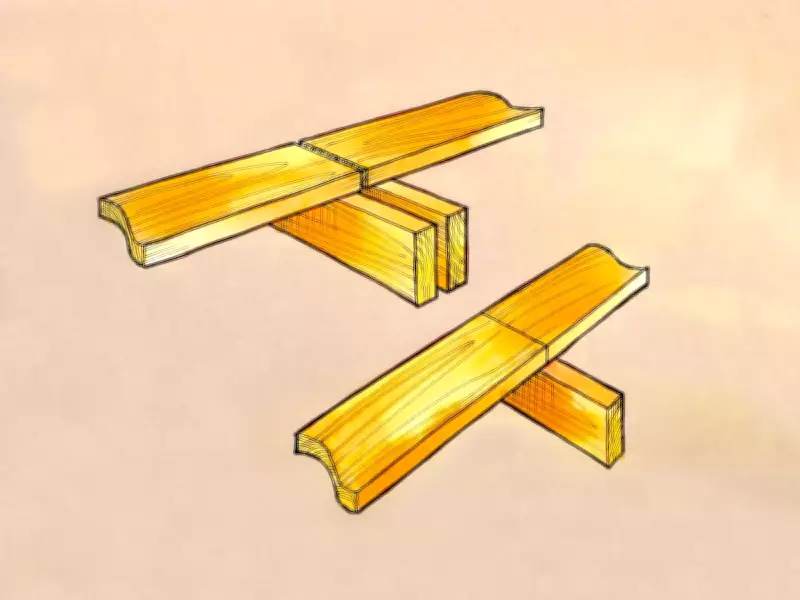
One particularly effective method involves locating double joists wherever deck boards meet, which creates essential space between board ends for rapid drying and substantially improved rot resistance. These approaches all share a common goal: encouraging quick drying to prevent moisture-related decay.
Despite the changes in modern pressure-treated lumber's chemical composition, this material can still deliver decades of reliable service when installed with proper moisture-management techniques. By understanding the relationship between wood, moisture, and construction methods, homeowners can ensure their outdoor investments withstand the test of time and Canadian weather conditions.