Fire safety has become an increasingly urgent concern in Montreal's homeless encampments, putting vulnerable residents at risk as winter approaches. The growing crisis highlights the precarious living conditions faced by the city's unhoused population.
Visible Crisis on Montreal Streets
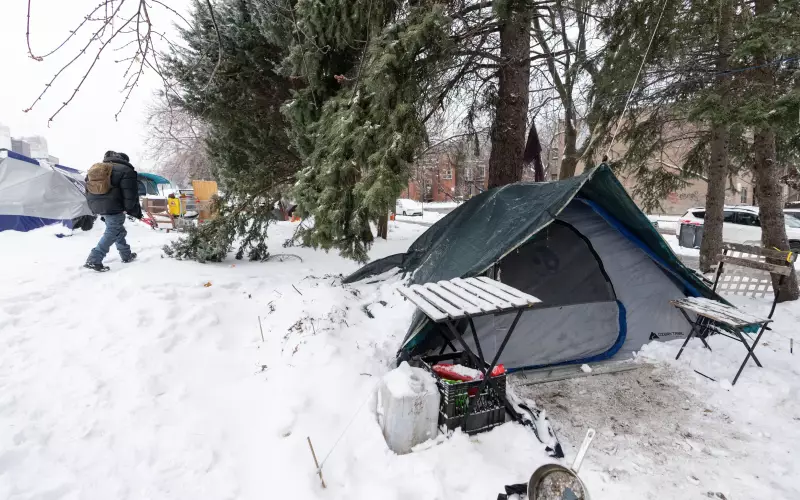
The situation came into sharp focus on Tuesday, December 10, 2024, when photographs captured a man walking past his tent set up on Notre Dame Street in the east end of Montreal. The images, taken by Christinne Muschi for The Canadian Press, provide a stark visual representation of the living conditions that have become increasingly common throughout the city.
These encampments have multiplied across Montreal as the affordable housing crisis deepens and shelter spaces remain limited. The proliferation of temporary structures, often constructed with flammable materials and heated with unsafe methods, has created what fire safety experts describe as a ticking time bomb.

Multiple Risk Factors Converge
Several factors contribute to the elevated fire risks in these informal settlements. The use of portable heaters, candles for lighting, and cooking equipment in close quarters with combustible materials creates perfect conditions for fires to start and spread rapidly.
Improper electrical connections and the lack of fire extinguishers or smoke detectors further compound the dangers. During colder months, when residents rely more heavily on heating sources, the risks escalate significantly.
Emergency responders face additional challenges when fires do occur, as encampments often lack clear addresses and access routes, potentially delaying response times and putting both residents and first responders in danger.
Broader Context of Urban Homelessness
The fire safety concerns emerge against a backdrop of increasing homelessness across Canadian urban centers. Montreal's situation reflects similar challenges faced by cities nationwide, though local factors including climate and available resources create unique pressures.
Advocacy groups have repeatedly called for comprehensive solutions that address both immediate safety concerns and the underlying causes of homelessness. They emphasize that while fire safety measures are critically important, they represent only one aspect of the broader humanitarian crisis.
Community organizations and municipal services continue to work on outreach programs aimed at reducing fire risks while simultaneously advocating for more permanent housing solutions. However, the gap between needs and resources remains substantial.
As temperatures drop and more individuals seek shelter in encampments, the urgency of addressing both immediate safety concerns and long-term housing solutions becomes increasingly apparent to city officials, emergency services, and community advocates alike.